
Bedroom makeovers often focus on furniture and decor, but lighting plays a crucial role in establishing the overall mood and atmosphere. Achieving a “soft aesthetic” in a bedroom involves a deliberate approach to illumination, moving beyond purely functional light to create a sense of calm, comfort, and visual appeal. This article will guide you through the process of creating soft aesthetics through bedroom makeover lighting.
A soft aesthetic is characterized by gentleness, subtlety, and a lack of harshness. In the context of lighting Vopdesign, this translates to diffused light, warm color temperatures, and a layered approach that avoids stark shadows or overly bright spots. It’s about creating an environment that feels inviting and relaxing, as if you’re stepping into a warm embrace rather than a brightly lit stage. Consider it akin to the difference between sunlight filtering through sheer curtains on a gentle morning versus the glare of an unfiltered midday sun.
The Role of Color Temperature
Color temperature, measured in Kelvin (K), is a fundamental aspect of achieving a soft aesthetic. It dictates whether light appears warm or cool.
Warm White Light (2700K–3000K)
This range mimics the warm glow of incandescent bulbs or candlelight. It introduces tones of yellow and orange, which are inherently cozy and conducive to relaxation. In a bedroom, warm white light promotes a sense of tranquility and is less likely to disrupt melatonin production, aiding sleep. Using this color temperature as the primary light source is a cornerstone of a soft aesthetic.
Neutral White Light (3500K–4100K)
While not as soft as warm white, neutral white light can still contribute to a calming atmosphere in specific applications. It’s a good option for task lighting, such as a reading lamp, where a clearer, more focused light is needed without being overly stark. When used in conjunction with warmer ambient lighting, it can provide a balanced illumination.
Cool White Light (5000K and above)
Cool white light, with its blueish tones, is generally not recommended for creating a soft aesthetic in a bedroom. It can feel sterile, energizing, and even jarring, hindering the creation of a restful environment. Unless employed with extreme moderation and a specific design intent, it’s best avoided.
The Impact of Light Intensity and Brightness
The perceived brightness of a light source significantly influences the softness of the aesthetic. Overly bright lights can feel intrusive and disrupt the desired mood.
Dimming Capabilities
The ability to dim lights is paramount for soft aesthetics. Dimmers allow you to adjust the light intensity throughout the day and for different activities. A fully dimmed light can provide a subtle glow, perfect for winding down, while a slightly brighter setting might be suitable for dressing or light activities. Imagine the difference between a spotlight and a gentle wash of light across a surface.
Layering Light at Different Intensities
Instead of a single, overhead, high-wattage fixture, a soft aesthetic is achieved through layering light at varying intensities. This creates visual depth and interest, preventing any single light source from dominating the space.
Strategic Lighting Fixture Selection
The types of lighting fixtures you choose will directly impact the diffusion and quality of light in your bedroom. Focus on fixtures that are designed to soften and spread light, rather than concentrate it.
Ambient Lighting: The Foundation of Softness
Ambient lighting provides the general illumination for the room and is the primary tool for establishing a soft aesthetic.
Ceiling Fixtures with Diffusers
Recessed lighting can be problematic if not installed correctly or with appropriate diffusers. Opt for flush-mount or semi-flush mount ceiling fixtures that incorporate frosted glass, fabric shades, or other diffusing materials. These materials scatter the light, creating a softer, more evenly distributed glow. Avoid fixtures with clear glass that show the bare bulb.
Wall Sconces for Subtle Illumination
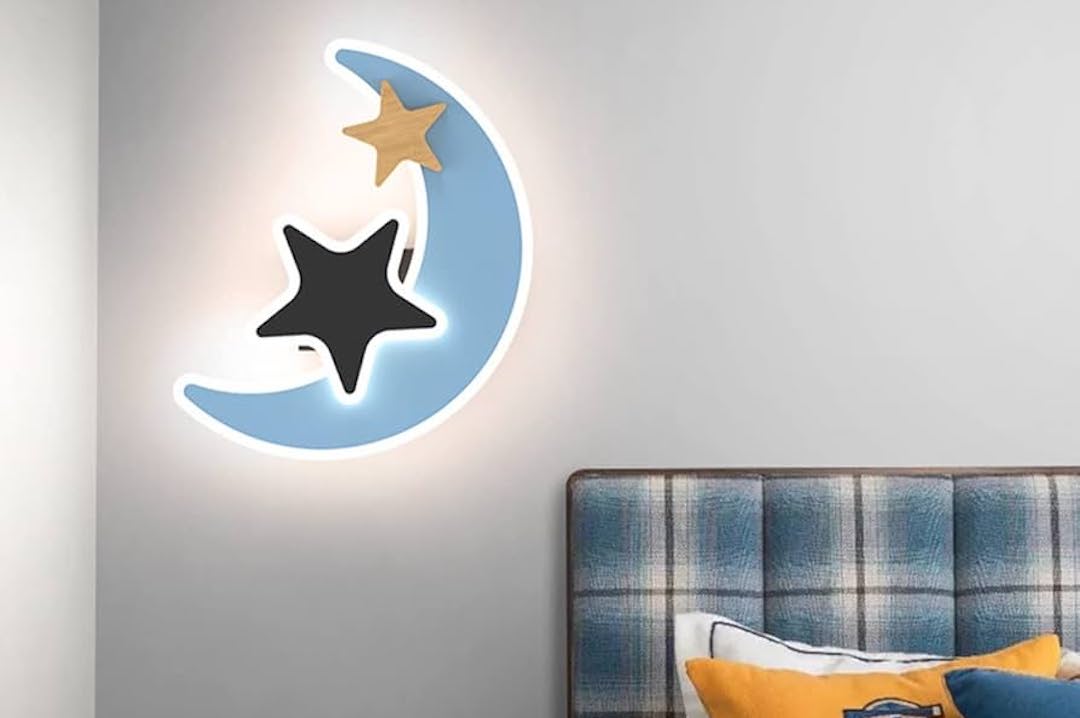
Wall sconces, when strategically placed, can cast a warm, indirect light that washes up or down walls, adding a gentle layer of illumination. Look for sconces with fabric shades or metal designs that direct light upwards or downwards, creating a subtle glow without direct glare.
Floor Lamps with Soft Shades
Floor lamps can be excellent sources of ambient light, especially when equipped with fabric shades that diffuse the light and spread it softly into the room. Position them in corners or behind furniture to create pools of warm light.
Task Lighting: Focused Illumination with a Soft Touch
Task lighting provides focused light for specific activities like reading or applying makeup. The key is to use it without compromising the overall soft aesthetic.
Bedside Lamps with Adjustable Brightness
Bedside lamps are essential for evening reading. Choose lamps with shades that diffuse the light downwards and sideways, and ensure they have dimming capabilities. This allows you to control the intensity of light for reading without flooding the entire room.
Desk Lamps with Diffused Output
If your bedroom includes a desk area, opt for a desk lamp that casts a focused but softened beam. Look for models with adjustable arms and shades that prevent direct glare.
Accent Lighting: Highlighting Features with Subtlety
Accent lighting is used to draw attention to specific decorative elements or architectural features. In a soft aesthetic, this should be done with a light touch.
Picture Lights with Warm Tones
For artwork, picture lights should emit warm, diffused light that enhances the colors without overpowering them. Avoid harsh, bright spotlights.
LED Strip Lights for Under-Cabinet or Mirror Illumination
Subtle LED strip lights can be used under shelves, bed frames, or around mirrors to create a gentle halo of light. Choose strips with a warm color temperature and consider diffusing them further with channels or covers for an even softer effect.
Diffusing Light: The Art of Softening
Diffusion is the process of scattering light, making it appear softer and less direct. This is a core principle of creating a soft aesthetic.
The Power of Shades and Diffusers
The material and design of lampshades and diffusers are critical.
Fabric Lampshades
Fabric lampshades, particularly those made from linen, cotton, or silk, are excellent at diffusing light. They absorb and re-emit light in a softer, more diffused manner, preventing harsh shadows. The weight and weave of the fabric will influence the degree of diffusion.
Frosted Glass and Acrylic
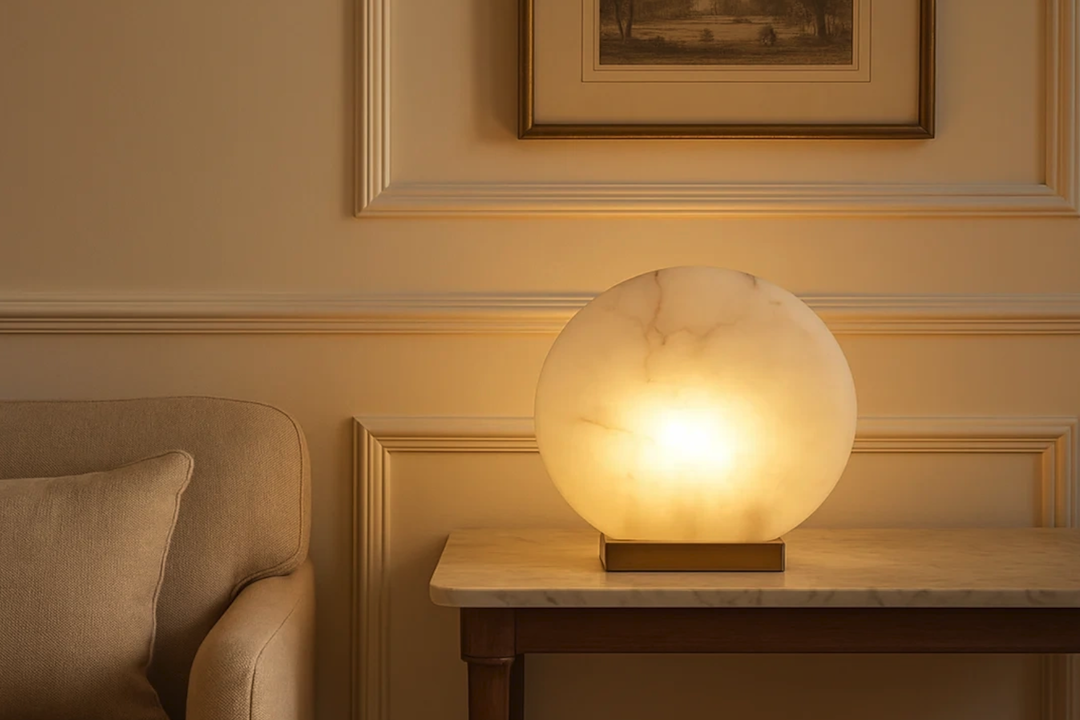
Frosted glass and acrylic are common materials used in diffusers. They create a translucent barrier that scatters light, softening its edges. The degree of frosting will determine how much light passes through and how diffused it becomes.
Paper Lanterns and Woven Materials
For a bohemian or natural aesthetic, paper lanterns or fixtures made from woven materials can offer a unique way to diffuse light, creating interesting shadow patterns.
Indirect Lighting Techniques
Indirect lighting bounces light off surfaces before it reaches the intended area, further softening its quality.
Uplighting
Positioning lights to direct illumination upwards towards the ceiling is a classic indirect lighting technique. The ceiling acts as a large, natural diffuser, reflecting soft light back into the room. Skirting boards or wall-mounted fixtures can be used for this purpose.
Behind-the-Furniture Placement
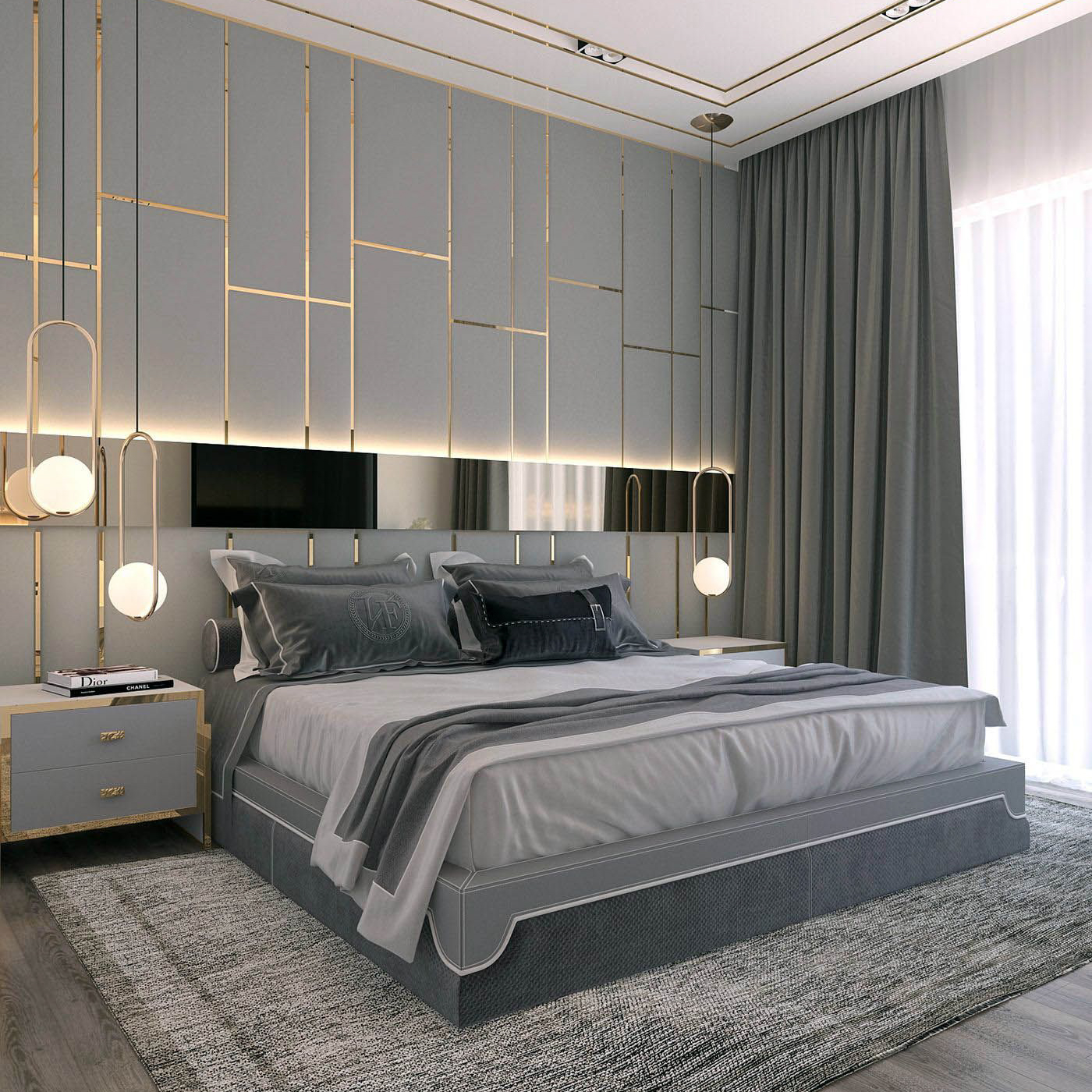
Placing lamps and accent lights behind furniture like headboards or wardrobes can create a subtle glow that emanates from behind, adding a sense of depth and warmth without direct light sources being visible.
Layering Light Sources for Depth
As mentioned earlier, layering is key. This isn’t just about having multiple lights, but about how they interact.
Combining Ambient, Task, and Accent Light
A well-lit soft aesthetic bedroom will have a harmonious blend of ambient light for overall illumination, task lighting for specific needs, and accent lighting to add subtle highlights. Imagine a painter layering colors on a canvas, each layer contributing to the richness and depth of the final image.
Choosing the Right Light Bulbs
Beyond the fixture, the type of light bulb is crucial for controlling color temperature and energy efficiency.
LED Technology: Versatility and Efficiency
LED (Light Emitting Diode) bulbs have become the standard for modern lighting due to their energy efficiency, longevity, and wide range of color temperature options.
Selecting Wattage and Lumens for Softness
While wattage measures energy consumption, lumens measure brightness. For a soft aesthetic, focus on lower lumen outputs and warmer color temperatures. You are not looking for a blinding brightness, but a gentle, pervasive glow.
Dimmable LED Compatibility
Ensure any LED bulbs you choose are advertised as dimmable and are compatible with your dimmer switches. Not all LED bulbs are dimmable, and using incompatible ones can lead to flickering or premature failure.
Incandescent and Halogen Alternatives
While less energy-efficient, some may still prefer the warm, familiar glow of incandescent or halogen bulbs.
The Warmth of Incandescent Bulbs
Incandescent bulbs naturally produce a warm, inviting light. However, their energy inefficiency and shorter lifespan make them an less sustainable choice.
Halogen Bulbs for Focused Warmth
Halogen bulbs offer a brighter, yet still warm, light. They can be useful for task lighting where a more focused beam is needed, but their heat output should also be considered.
Smart Lighting and Automation for Enhanced Softness
Smart lighting systems offer advanced control and automation features that can further refine your bedroom’s soft aesthetic.
Voice Control and App Integration
Many smart lighting systems can be controlled via voice commands or mobile apps, allowing you to adjust brightness, color temperature, and even create custom lighting scenes without leaving your bed.
Creating “Scenes” for Mood Setting
Smart lighting allows you to pre-program specific lighting “scenes” for different moods or times of day. A “Relax” scene might dim all lights to a warm hue, while a “Morning Wake-up” scene could slowly increase the light over a set period, mimicking a natural sunrise.
Scheduling for Natural Light Mimicry
Automated scheduling can be used to mimic the natural progression of daylight. Lights can gradually brighten in the morning and dim in the evening, supporting your natural circadian rhythm and contributing to a softer, more integrated lighting experience. This is like having a personal conductor orchestrating the light in your room.
Avoiding Common Pitfalls in Soft Aesthetic Lighting
Even with the best intentions, it’s possible to fall into traps that undermine a soft aesthetic.
The Over-Reliance on Single Overhead Lighting
A single, bright overhead light is the antithesis of a soft aesthetic. It creates unflattering shadows and an exposed, clinical feel. This is like trying to paint a masterpiece with only one brush and one color.
Ignoring Color Temperature
Using cool white bulbs throughout the bedroom will immediately detract from any attempt at softness, regardless of the fixtures used. It’s like trying to paint a sunset with only shades of blue and grey.
Harsh, Unshaded Bulbs
Exposed, bare bulbs, even if warm in color temperature, can still be visually jarring and create glare. The protective veil of a shade or diffuser is essential.
Inadequate Dimming Capabilities
Lights that cannot be dimmed effectively limit your ability to control the mood and transition from brighter activities to rest.
By thoughtfully considering color temperature, intensity, fixture selection, diffusion techniques, bulb types, and smart home integration, you can transform your bedroom into a sanctuary of soft aesthetics. This approach moves beyond mere illumination to create an environment that nurtures relaxation, enhances comfort, and contributes to overall well-being.