
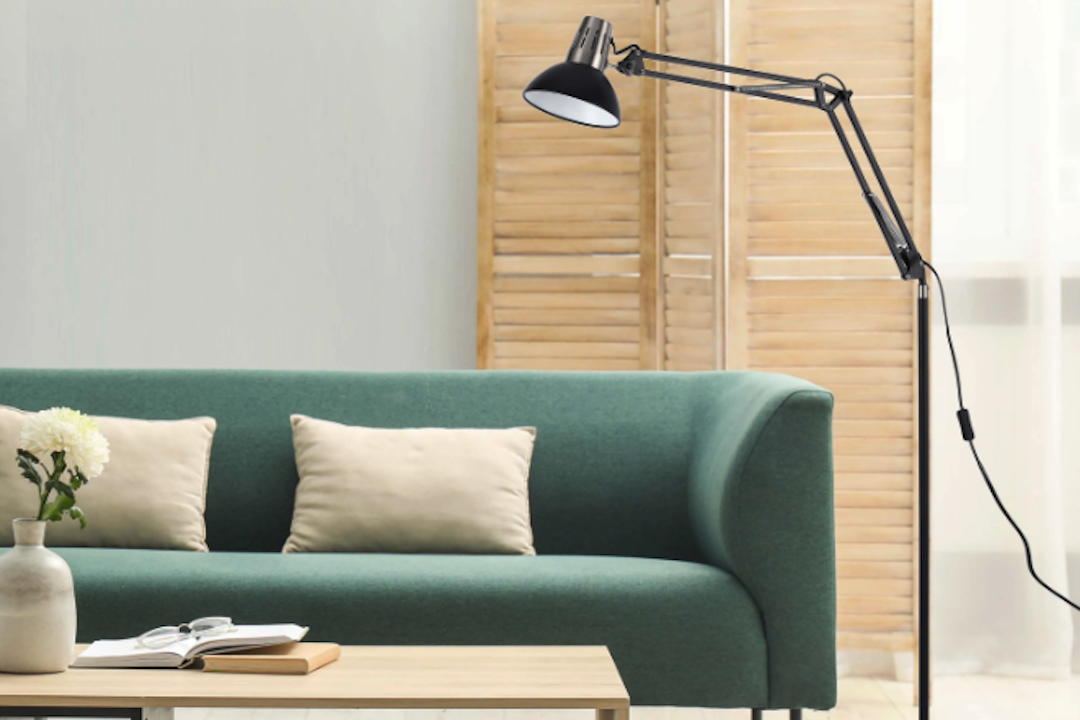
Sleek adjustable black metal floor lamps are a category of lighting fixtures defined by their minimalist aesthetic, dark metallic construction, and adaptable illumination capabilities. These lamps are primarily designed for indoor use, serving both functional and decorative purposes within various interior design schemes. Their characteristic features include a slender profile, a black finish, and mechanisms that allow for the manipulation of light direction and sometimes intensity. The prevalence of black metal in their construction contributes to a contemporary or industrial visual language, while their adjustable components provide practical utility in different settings.
Design and Aesthetics
The design principles governing sleek adjustable black metal floor lamps Stickstory often emphasize clean lines, geometric shapes, and an uncluttered appearance. This approach prioritizes functionality and visual simplicity.
Minimalist Form
The minimalist form of these lamps is a defining characteristic. This design philosophy seeks to reduce elements to their essential components, removing superfluous ornamentation.
- Absence of Embellishment: Unlike more ornate lighting fixtures, these lamps typically lack decorative carvings, intricate patterns, or superfluous detailing. Their visual appeal arises from their inherent structure and material.
- Geometric Shapes: Common forms include cylindrical bases and shades, straight rods acting as stems, and articulated arms that often incorporate simple pivots or joints. These geometric elements contribute to a sense of order and precision.
- Slender Profiles: Many models feature thin stems and bases, designed to occupy minimal physical and visual space. This allows the lamp to integrate into a room without dominating the existing decor.
Black Metal Finish
The choice of black metal is central to the aesthetic and functional characteristics of these lamps. This finish is not merely a color but an integral part of the material and its properties.
- Materiality: The black finish often derives from powder coating, electroplating, or painting over steel, iron, or aluminum. The underlying metal provides the structural integrity.
- Visual Impact: Black, being a neutral color, allows these lamps to blend seamlessly into diverse color palettes or to provide stark contrast. It absorbs light, contributing to a sense of understated elegance.
- Durability and Maintenance: Black metal finishes are generally durable and resistant to minor scratches and corrosion, depending on the specific coating. They are also relatively easy to clean, requiring only a damp cloth for routine maintenance.
Integration with Interior Styles
The adaptable design of sleek adjustable black metal floor lamps permits their integration into a range of interior design styles.
- Contemporary: Their clean lines and modern materials align well with contemporary interiors that favor simplicity and current trends.
- Industrial: The exposed metal and often utilitarian appearance resonate with industrial design, which often celebrates raw materials and functional components.
- Mid-Century Modern: Certain designs, particularly those with articulated arms and dome-shaped shades, can complement mid-century modern aesthetics, which prioritized functional design and natural materials.
- Scandinavian: The emphasis on minimalism, functionality, and timeless design in Scandinavian interiors makes these lamps a suitable choice.
- Eclectic: In eclectic spaces, these lamps can act as a grounding element, their neutrality allowing them to coexist with diverse styles and patterns.
Adjustable Functionality
The “adjustable” aspect of these lamps refers to their capability to alter the direction and sometimes the spread of light. This functionality is achieved through various mechanical innovations.
Articulation Mechanisms
Different mechanisms enable the manipulation of light direction. These designs provide flexibility for various lighting tasks.
- Swivel Heads: Many lamps feature a shade or bulb housing that can rotate horizontally or vertically. This allows the user to direct light precisely where it is needed without moving the entire fixture.
- Articulated Arms: These lamps incorporate one or more hinged sections in their stem or arm. Each joint allows for angular adjustment, enabling significant changes in height, reach, and light direction. Think of these arms as a skeletal framework, providing structural flexibility.
- Telescopic Stems: Some models incorporate a telescopic stem, allowing for vertical height adjustment. This feature is particularly useful for adapting the lamp to different furniture heights or tasks.
- Flexible Goosenecks: Less common in the “sleek” category but present in some utilitarian designs, a flexible gooseneck allows for continuous adjustment of the shade’s position. This acts as a malleable spine, capable of assuming various postures.
Applications of Adjustability
The ability to adjust light is not merely a design feature but a functional imperative.
- Task Lighting: Directing focused light onto a reading chair, a workstation, or a craft area is a primary application. The adjustable arm acts as an extension of your own hand, guiding illumination.
- Accent Lighting: By aiming the light at a specific object, such as a piece of art or a plant, these lamps can create focal points within a room. The light becomes a spotlight, highlighting treasures.
- Ambient Lighting (Indirect): When pointed towards a wall or ceiling, the light can reflect, creating a softer, more diffused ambient illumination. This transforms a direct beam into a gentle glow, filling the space with diffused light.
- Versatility in Room Layouts: As furniture arrangements change or room uses evolve, the adjustability of these lamps allows them to remain relevant without needing to be repositioned constantly. They are chameleons, adapting to their environment.
Lighting Technology and Components
The effectiveness of any lamp hinges on its light source and associated electrical components. Modern sleek adjustable black metal floor lamps often incorporate contemporary lighting technologies.
Bulb Compatibility
The type of bulb a lamp accommodates dictates its energy efficiency, light quality, and operational cost.
- LED (Light Emitting Diode): LEDs are the predominant choice in contemporary lighting due to their energy efficiency, long lifespan, and cool operation. Many lamps feature integrated LEDs or are designed for E26/E27 screw-in LED bulbs.
- CFL (Compact Fluorescent Lamp): While less common now, some older or entry-level models may still be compatible with CFLs. These offer better efficiency than incandescents but contain mercury and have a warm-up time.
- Incandescent: Largely phased out due to inefficiency, incandescent compatibility is rare in modern sleek designs. If present, it typically offers a warm color temperature but high energy consumption.
Switching Mechanisms
The method of controlling the light affects convenience and usability.
- Foot Switches: Integrated into the power cord, foot switches allow for hands-free operation, often preferred for floor lamps. They provide simple on/off functionality.
- Rotary Switches: Located on the lamp head or stem, these switches can offer dimming capabilities in addition to on/off control. They provide fine-tuned light control, akin to turning a volume knob.
- Touch Sensors: Some modern designs incorporate touch-sensitive dimmers or on/off controls on the lamp itself, offering a seamless and minimalist interaction.
- Smart Home Integration: Advanced models may feature Wi-Fi or Bluetooth connectivity, allowing control via smartphone apps or voice assistants. This integrates the lamp into a larger automated ecosystem.
Power and Cord Management
Attention to power delivery and cord concealment contributes to both safety and aesthetics.
- Cord Length: Adequate cord length is crucial for placement flexibility. Manufacturers typically provide cords ranging from 6 to 10 feet.
- Cord Concealment: In sleek designs, efforts are often made to minimize the visual impact of the power cord. This can involve routing it through the lamp’s stem or providing channels for discreet placement.
- Safety Certifications: Look for certifications like UL (Underwriters Laboratories) or CE (Conformité Européenne) to ensure the lamp meets safety standards for electrical components.
Practical Considerations and Placement
Selecting and positioning a sleek adjustable black metal floor lamp involves evaluating its suitability for a given space and purpose.
Room Application
Different rooms benefit from distinct lighting strategies.
- Living Rooms: Ideal for reading beside a sofa or adding ambient light. An adjustable arm can illuminate a coffee table or a specific seating area.
- Bedrooms: Useful as a bedside reading lamp or for creating a soft, inviting atmosphere. The ability to direct light away from a sleeping partner is advantageous.
- Home Offices/Studies: Provides focused task lighting for desks, reducing eye strain during work or study. The lamp acts as a dedicated light source for cognitive tasks.
- Reading Nooks: Essential for comfortable illumination, preventing shadows and glare. The adjustable head can be perfectly positioned over a book.
Placement Strategies
Strategic placement maximizes the lamp’s effectiveness and contributes to room aesthetics.
- Alongside Furniture: Positioning the lamp next to a sofa, armchair, or bed provides convenient task lighting and frames the furniture piece.
- Behind Seating: Placing it behind seating can provide indirect ambient lighting by bouncing light off a wall or ceiling, creating a softer glow.
- Corner Illumination: Brightening a dark corner can make a room feel larger and more inviting. An adjustable head can direct light into the corner or outward.
- Creating Zones: In open-plan spaces, lamps can define different functional areas (e.g., a reading zone, a conversation area) by their localized light. The light acts as an invisible wall, delineating space.
Maintenance and Care
Proper care prolongs the life and preserves the appearance of the lamp.
- Cleaning: Dust regularly with a dry or slightly damp cloth. Avoid abrasive cleaners that can damage the black finish.
- Bulb Replacement: Follow the manufacturer’s instructions for bulb type and wattage. Ensure the power is off before replacing bulbs.
- Joint Lubrication (if applicable): For lamps with articulated joints, occasional application of a silicone-based lubricant may be necessary if movement becomes stiff.
Environmental and Ethical Considerations
The manufacturing and lifespan of lighting products carry environmental implications.
Material Sourcing and Sustainability
The metal used in these lamps can be recycled, contributing to a circular economy.
- Recycled Content: Some manufacturers prioritize using recycled steel or aluminum, reducing the demand for virgin resources and the energy associated with new metal production.
- Manufacturing Processes: Practices such as efficient powder coating can reduce volatile organic compound (VOC) emissions compared to traditional painting.
Energy Efficiency
The integration of LED technology makes these lamps inherently energy-efficient.
- Low Power Consumption: LEDs consume significantly less electricity than traditional incandescent bulbs, leading to reduced energy bills and a lower carbon footprint.
- Long Lifespan: The extended operational life of LEDs reduces the frequency of bulb replacement, minimizing waste.
End-of-Life Management
Proper disposal is important for both the metal components and any electronic parts.
- Recycling: Metal components should be recycled at appropriate facilities.
- E-Waste Disposal: Integrated LED drivers and other electronic components should be disposed of through e-waste recycling programs, preventing hazardous materials from entering landfills.
Conclusion
Sleek adjustable black metal floor lamps represent a synthesis of form and function. Their minimalist design, robust black metal construction, and adaptable lighting capabilities position them as versatile tools for interior illumination. Understanding their design principles, mechanical features, technological components, and practical considerations allows for informed selection and effective deployment within a variety of spaces. By focusing on durability, energy efficiency, and thoughtful placement, these lamps can serve as enduring and practical elements in modern interiors, providing targeted light where and when it is needed.