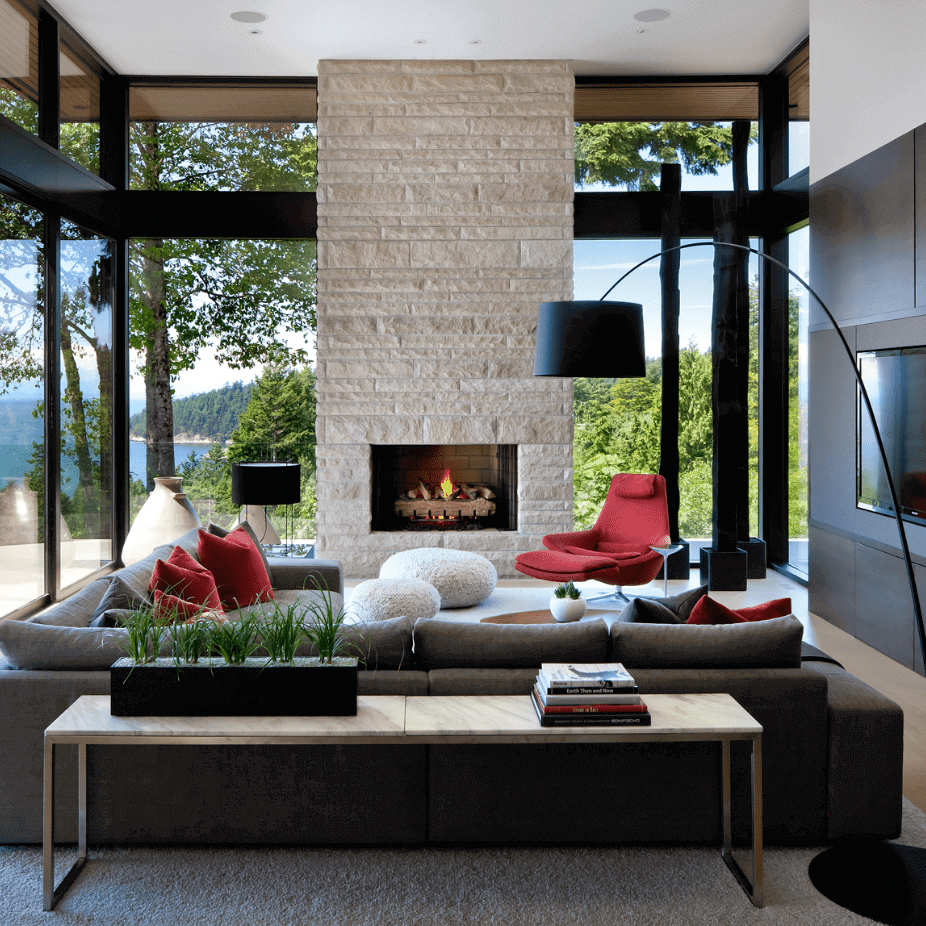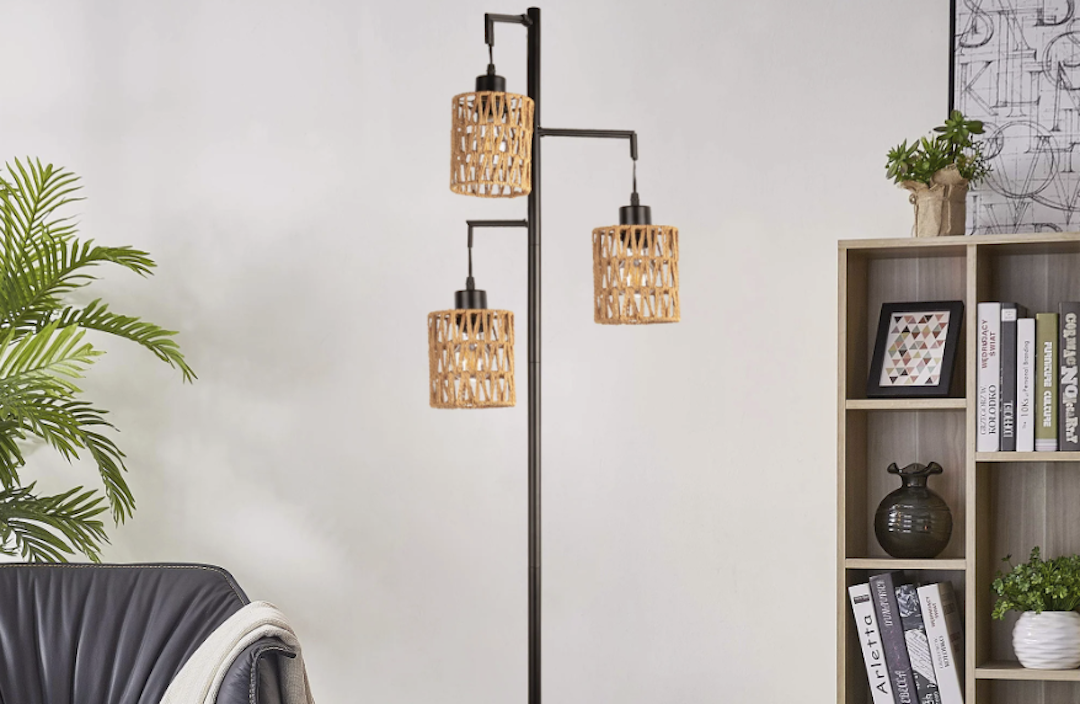

A brushed nickel arc floor light can serve as a functional and aesthetic addition to a living space. This type of lighting fixture is characterized by its sweeping, curved arm, often extending over a seating area or other focal point, and its finish, which provides a subtle texture.
The core appeal of an arc floor light lies in its ability to direct illumination from above, a characteristic that distinguishes it from more conventional floor lamps. This overhead reach makes it particularly suitable for illuminating specific zones within a room without requiring a table or wall-mounted fixture.
The Architectural Sweep
The defining feature of an arc floor light is its curved support structure. This arc is not merely decorative; it serves a practical purpose. By extending outwards and upwards, it positions the light source beyond the immediate footprint of the base. This allows the light to fall over a sofa, armchair, or dining table, creating a defined pool of light in a larger space. The arc itself can vary in its degree of curvature, from a gentle sweep to a more pronounced, dramatic curve, influencing the overall visual impact of the fixture. The structural integrity of the arc is typically achieved through materials like steel or aluminum, ensuring stability despite its extended reach.
The Brushed Nickel Finish
The “brushed nickel” designation refers to the surface treatment of the metal components. Unlike polished nickel, which presents a highly reflective, mirror-like surface, brushed nickel undergoes a process that creates fine, parallel lines across the metal. This effect diffuses light more subtly than a polished finish, reducing glare and introducing a matte, understated appearance. Brushed nickel is often favored for its ability to blend seamlessly with a variety of interior design styles, from minimalist to contemporary. It possesses a neutral tonality that does not overpower the room’s color palette and is generally resistant to fingerprints and smudges compared to more highly polished metals.
Illumination Strategy
The primary function of an arc floor light is to provide ambient or task lighting. The position of the arc allows it to direct light downwards, making it effective for activities such as reading, crafting, or enjoying a meal. The quality of the light emitted will depend on the type of bulb used and the design of the lampshade. Many arc floor lights come with adjustable shades or dimming capabilities, offering further control over the light’s intensity and direction. This versatility allows the fixture to adapt to different moods and needs within a room.
Strategic Placement and Integration into Your Home
The placement of a brushed nickel arc floor light is crucial for maximizing its utility and visual appeal. Its design lends itself to specific areas within a room where its overhead reach can be most beneficial.
Defining Seating Areas
One of the most common and effective placements for an arc floor light is beside a sofa or armchair. The arc can extend over the seating, casting a focused pool of light that is ideal for reading or other close-up tasks. This placement helps to define the seating area as a distinct zone within a larger open-plan living space, creating a sense of intimacy and purpose. The light source’s overhead positioning mitigates the need for table lamps on adjacent end tables, which can sometimes clutter smaller surfaces. Consider the height of the arc in relation to the seating; it should be high enough to not impede movement but low enough to effectively illuminate the intended area.
Illuminating Dining Spaces
In a dining room or an area with a breakfast nook, an arc floor light can offer a stylish alternative to a pendant light that requires ceiling installation. Positioned over a dining table, it can provide focused light for meals, enhancing the dining experience. The arc’s reach is particularly useful in rooms where ceiling fixtures are not feasible or desired. The metallic finish of the brushed nickel can complement dinnerware and silverware, adding a touch of sophistication. Ensure the arc is long enough to clear the heads of diners when they are seated, and consider the overall scale of the light in relation to the table and the room.
Complementing Architectural Features
An arc floor light can also be strategically placed to highlight architectural elements or artwork. By extending the arc towards a bookshelf, a decorative fireplace, or a piece of art, the light can draw attention to these features, transforming them into focal points. This use of light can add depth and dimension to a room, guiding the eye and enhancing the overall design narrative. The subtle reflectivity of the brushed nickel can subtly emphasize textures and forms without creating harsh glares.
Room Scale and Proportion
When selecting an arc floor light, it is important to consider the scale of the room. A very large, sweeping arc might overwhelm a small living room, while a smaller, more compact design might appear lost in a vast, open space. The base of the lamp also plays a role; heavier, more substantial bases can provide greater stability and anchor a larger fixture, while lighter bases may be more appropriate for more delicate designs. Assess the dimensions of your room and the intended placement area to ensure the proportions of the light fixture are harmonious with the surrounding environment.
The Versatility of Brushed Nickel
The brushed nickel finish is a significant factor in the widespread appeal of this lighting fixture. Its understated elegance and compatibility with diverse interior aesthetics make it a practical choice.
A Neutral Palette Player
Brushed nickel operates within a neutral color spectrum, making it an easy addition to most color schemes. It does not compete with dominant hues but rather provides a grounding metallic element. This neutrality allows the brushed nickel arc floor light to serve as a supporting player, enhancing the existing decor without demanding undue attention. Its muted sheen means it can be paired with other metals, such as chrome or even some warmer brass tones, without creating a jarring clash, though careful consideration of the overall metallic palette is still advised.
Adaptability Across Styles
The understated nature of brushed nickel allows it to transcend specific design categories. In a modern or minimalist setting, it contributes to clean lines and a sense of uncluttered sophistication. Within a transitional or eclectic interior, it can act as a bridge between more traditional and contemporary elements. Even in a subtly industrial space, the brushed nickel can offer a refined counterpoint to raw materials like concrete or exposed brick. Its versatility means that as your interior design preferences evolve, the brushed nickel arc floor light is likely to remain a relevant and fitting component.
Maintenance and Durability
Brushed nickel finishes are generally known for their durability and relative ease of maintenance. The brushed texture tends to mask minor scratches and water spots better than highly polished surfaces. Regular dusting with a soft cloth is usually sufficient for day-to-day upkeep. For more thorough cleaning, a mild soap and water solution applied with a soft cloth, followed by immediate drying, is typically recommended. Avoid abrasive cleaners or harsh chemicals, which can damage the finish. The inherent resilience of the metal and the nature of the brushing process contribute to its longevity as a decorative and functional element.
Enhancing Ambiance and Functionality Through Bulb Choice
The type of bulb chosen for an arc floor light directly influences the light’s quality, intensity, and energy efficiency, thereby shaping the room’s ambiance and the fixture’s practical utility.
Lumens and Color Temperature
The output of a light bulb is measured in lumens, indicating its brightness. For an arc floor light intended for reading or task work, a higher lumen output might be desirable. Conversely, for ambient or mood lighting, a lower lumen output can create a more relaxed atmosphere. Color temperature, measured in Kelvin (K), dictates the warmth or coolness of the light. A lower Kelvin value (e.g., 2700K-3000K) produces a warm, yellowish light, akin to incandescent bulbs, which is often preferred for living spaces to foster a cozy feel. Higher Kelvin values (e.g., 4000K and above) result in cooler, whiter light, which can be more stimulating and is sometimes favored for home offices or task lighting where clarity is paramount.
LED Technology: Efficiency and Options
Light Emitting Diode (LED) bulbs have become a dominant choice for illumination due to their significant energy efficiency and long lifespan. An LED bulb can consume a fraction of the electricity of an incandescent bulb while offering a comparable or superior light output. Furthermore, LEDs are available in a vast array of color temperatures and lumen outputs, providing extensive customization options. Many LED bulbs are also dimmable, allowing for fine-tuning of light intensity. When selecting an LED for an arc floor light, check for compatibility with any dimmer switches integrated into the fixture. The extended lifespan of LED bulbs also means less frequent replacement, a practical consideration for high-reaching fixtures.
Smart Lighting Integration
The integration of smart home technology extends to lighting. Many modern arc floor lights come equipped with, or can be retrofitted to utilize, smart bulbs or smart plugs. This allows for remote control of the light via a smartphone app or voice commands. Features can include scheduling, scene creation (e.g., “reading mode,” “movie night mode”), and the ability to adjust brightness and color temperature remotely. If smart home integration is a consideration, ensure the chosen bulb or fixture supports the desired platform (e.g., Wi-Fi, Bluetooth, Zigbee) and is compatible with your existing smart home ecosystem.
The Nuances of Light Shade Design
The lampshade of an arc floor light plays a vital role in diffusing and directing the light, critically impacting the overall aesthetic and the quality of illumination.
Material and Texture
The material of the lampshade will significantly influence how light is dispersed. Opaque shades, such as those made from fabric or metal, tend to direct light downwards more directly, creating a more focused beam. Translucent shades, often made from linen, parchment, or frosted glass, allow light to filter through, casting a softer, more diffused glow across the room. The texture of the lampshade can also add visual interest. A finely woven fabric can introduce subtle texture, while a ribbed glass shade can create interesting patterns of light and shadow.
Shape and Size Considerations
The shape and size of the lampshade should be in proportion to the arc and the overall scale of the light fixture. A large, wide shade on a slender arc might appear unbalanced. Common shade shapes include drum, conical, and empire. A drum shade offers a modern, clean look, while a conical shade can provide a more traditional feel. The size of the shade also determines the spread of light; a wider shade will distribute light over a larger area. Consider where you intend to place the light and the desired effect when choosing a shade’s dimensions and form.
Diffusers and Glare Control
Some arc floor lights incorporate diffusers beneath the bulb to further soften the light and prevent direct glare. These can be frosted glass panels or fabric elements. Glare can be uncomfortable for the eyes and detract from the room’s ambiance, so a well-designed lampshade and any included diffusers are essential for creating a pleasing visual experience. The goal is often to achieve a balanced illumination that is bright enough for the intended purpose without causing visual strain.
The brushed nickel arc floor light, therefore, is more than just a source of illumination; it is a design element that, when thoughtfully chosen and placed, can profoundly contribute to the functionality and atmosphere of a living space. Its adaptable finish, strategic design, and potential for varied bulb and shade combinations offer a canvas for personal expression and practical utility.