
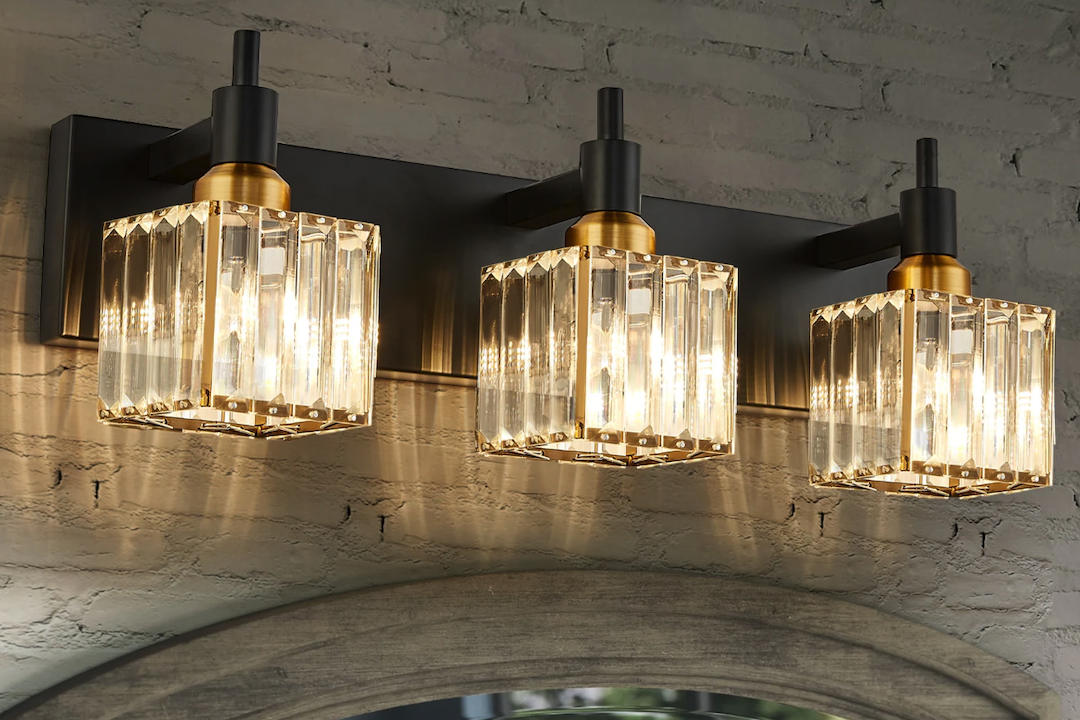
Thinking about adding some antique charm to your bathroom or dressing area? You’re probably wondering if elegant antique silver vanity light fixtures with etched glass are a good fit. The short answer is: yes, they absolutely can be, bringing a timeless elegance and a touch of sophistication without being over the top. These fixtures offer a unique blend of style and function, and while they might seem a bit niche, they’re surprisingly versatile and can elevate a variety of décor schemes.
Now, let’s dive into what makes these particular fixtures so appealing and how you can make them work beautifully in your home.
So, what’s the big deal with antique silver finishes? It’s not just about the color; it’s about the texture, the patina, and the subtle variations that come with age and craftsmanship.
What “Antique Silver” Really Means
When we talk about “antique silver,” we’re not usually referring to solid sterling silver fixtures (though those are incredibly rare and expensive!). More often, it’s a metal finish applied to brass, steel, or another base metal. This finish is designed to mimic the look of aged silver, with darker areas in the crevices and highlights Enconco on raised surfaces.
Key Characteristics of the Finish
- Patina: This is the subtle dulling or darkening that occurs over time on silver. Antique silver finishes aim to replicate this, giving the fixture a lived-in, authentic feel.
- Variations: Unlike a uniformly polished chrome, antique silver often has slight tonal variations. This is a good thing, as it adds depth and character.
- Durability: While it looks antique, modern antique silver finishes are typically lacquered or sealed to protect them from tarnishing and wear, making them practical for everyday use, especially in a potentially humid bathroom environment.
Why it Works in Modern Spaces
Don’t let the word “antique” fool you. This finish can be surprisingly adaptable. It offers a soft, muted sparkle that contrasts beautifully with clean, modern lines and bolder colors. It can add a touch of classic warmth to an otherwise minimalist design, or complement traditional and transitional styles without feeling stuffy.
The Ethereal Quality of Etched Glass
When paired with antique silver, etched glass isn’t just a lampshade; it’s a design element that influences the light quality and the overall aesthetic.
Understanding Etched Glass Techniques
Etched glass involves removing a thin layer from the surface of the glass to create a design. This can be done in a few ways:
- Acid Etching: This is a common method where a chemical acid is used to eat away at the glass, creating a frosted or textured appearance.
- Sandblasting: Tiny particles of sand or other abrasive materials are blasted at the glass under high pressure, creating a similar frosted effect.
The result is a glass that’s translucent rather than completely clear, diffusing light and adding a decorative pattern.
Common Etching Patterns You’ll See
- Floral Motifs: Delicate vines, leaves, and blossoms are classic choices, adding a romantic and organic feel.
- Geometric Designs: Art Deco-inspired patterns, simple lines, or repeating shapes can offer a more structured, elegant look.
- Abstract Designs: Swirls, stippling, or textured patterns that aren’t strictly representational can provide a subtle yet sophisticated visual interest.
- Frosted Panels: Often, the entire glass panel is frosted, or specific sections are etched, creating a contrast between clear and frosted areas.
How Etching Affects Light
This is where the magic happens. Etched glass serves a crucial purpose in transforming the raw light from a bulb into something softer, more ambient, and more flattering.
- Diffusion: The frosted texture scatters light rays, reducing glare and creating a softer, more diffused glow. This is particularly beneficial in vanity areas where you need good illumination without harsh shadows.
- Warmth: The diffusion often results in a warmer, more inviting light, which is a welcome change from the sometimes clinical brightness of standard bulbs.
- Shadow Reduction: By softening the light, etched glass helps to create fewer harsh shadows on your face, making it more ideal for applying makeup or grooming tasks.
Designing Your Space with These Fixtures
Choosing the right fixture is only part of the equation. Integrating antique silver vanity lights with etched glass into your existing or planned décor requires a bit of thoughtful consideration.
Where to Use Them: Beyond the Bathroom
While bathrooms are the most common spot, these fixtures can enhance other areas too.
- Hallways: A slim fixture with etched glass can add a touch of elegance to a narrow hallway.
- Entryways: A decorative sconce near the front door can create a welcoming and sophisticated first impression.
- Dressing Rooms/Walk-in Closets: These are ideal spots for vanity lighting, offering both illumination and style.
- Powder Rooms: For a small guest bathroom, these fixtures can significantly elevate the design.
Complementary Décor Styles
These fixtures aren’t limited to just one look.
- Transitional: A perfect fit, bridging traditional and contemporary elements with their classic patterns and refined finish.
- Traditional: Enhances the existing ornate details and rich materials.
- Art Deco Inspiration: Many etched glass patterns and the sleekness of silver finishes align well with this era.
- Modern Farmhouse: A touch of antique silver can add depth and character to the rustic charm.
- Eclectic: A great piece to mix with other vintage finds and modern elements for a personalized look.
Material Pairings That Work
Think about what other materials you have in the room.
- Natural Wood: The warmth of wood tones contrasts beautifully with the cool elegance of silver.
- Marble & Stone: These luxurious materials complement the refined aesthetic of antique silver and etched glass.
- Velvet & Rich Fabrics: In a dressing area, these add to the opulent feel.
- Brushed Nickel or Chrome Accents: While antique silver is distinct, a few subtle accents in similar cool tones can tie the room together. Avoid mixing too many different metallic finishes aggressively.
Practical Considerations for Installation and Maintenance
It’s all well and good to love the look, but you also need to think about how these fixtures function in your home.
Bulb Selection: The Key to Ambiance
The type of bulb you choose will significantly impact the final look.
- LED vs. Incandescent: While incandescent bulbs offer a warm, familiar glow, LEDs are far more energy-efficient and have a longer lifespan. Many LEDs are now designed to mimic the warmth of incandescent bulbs.
- Color Temperature (Kelvin): For vanity lighting, a color temperature between 2700K and 3000K is generally recommended. This range provides a warm, inviting light that’s still bright enough for tasks. Avoid cooler, bluer light (above 4000K) for vanity areas.
- Dimmable Options: Installing a dimmer switch is highly recommended. It allows you to adjust the light intensity for different tasks and moods. This is especially beneficial with etched glass, as you can soften the light even further when needed.
Installation Tips
- Professional Installation: For safety and peace of mind, especially if you’re not experienced with electrical work, hiring a qualified electrician is always the best route.
- Fixture Size: Ensure the fixture is appropriately scaled for the space. Too large can overpower, and too small can look lost. Measure your vanity and wall space carefully.
- Placement: Typically, vanity lights are mounted on either side of a mirror or above it. Side placement often provides more even, flattering light distribution. Consider the height – usually at eye level or slightly above.
Cleaning and Care
Antique silver finishes and etched glass require specific care to keep them looking their best.
- For the Antique Silver Finish:
- Dusting: Regular dusting with a soft, dry microfiber cloth is your first line of defense.
- Gentle Cleaning: If the fixture gets dusty or slightly grimy, use a damp cloth (water only) and then immediately dry thoroughly with a separate soft cloth.
- Avoid Harsh Chemicals: Never use abrasive cleaners, ammonia-based products, or metal polishes on antique silver finishes, especially if they are lacquered. These can strip the finish or cause damage.
- Touch-Ups: For very minor scratches or wear, sometimes a very small amount of wax-based furniture polish specifically designed for antique finishes can help blend it in. Test in an inconspicuous area first.
- For the Etched Glass:
- Gentle Wash: Use a soft cloth or sponge with mild dish soap and water.
- Rinse and Dry: Rinse thoroughly to remove soap residue and dry with a lint-free cloth to prevent water spots.
- Avoid Scouring: Do not use abrasive sponges or scrub brushes, as these can scratch the glass surface.
- Window Cleaner Alternative: A mild, ammonia-free glass cleaner can be used, but always test it on a small, discreet area of the etching first to ensure it doesn’t cause any discoloration or damage.
Finding Your Perfect Fixture
The market for lighting fixtures is vast, but with a clear idea of what you’re looking for, you can narrow down your search effectively.
Where to Shop
- Specialty Lighting Stores: These stores often have a wider selection of higher-quality and more unique fixtures, and their staff can offer expert advice.
- Online Retailers: Websites like Amazon, Wayfair, Houzz, and dedicated lighting e-commerce sites offer a huge variety. Read reviews carefully for comments on finish quality and durability.
- Antique Shops and Architectural Salvage Yards: For truly authentic pieces, these are the places to explore. Be prepared for a treasure hunt, and know that these may require rewiring by a professional.
- Design Blogs and Magazines: Browse these for inspiration and to identify brands or styles that catch your eye, then search for those specific items.
What to Look For When Buying
- Finish Quality: Examine close-up photos online, or inspect in person if possible. Look for consistent, yet subtly varied coloration that suggests a well-applied antique finish rather than a paint job.
- Glass Quality: Is the etching crisp and well-defined? Does the glass feel substantial?
- Construction: Check how the fixture is assembled. Does it feel sturdy? Are the materials high-quality?
- Reviews: Pay attention to what other buyers say about the product’s appearance, installation, and longevity. Specifically look for comments about how the antique silver finish holds up over time.
- Dimensions: Double-check the measurements to ensure it fits your intended space.
Modern Takes on Classic Elegance
Antique silver vanity lights with etched glass aren’t just relics of the past; many modern manufacturers are creating new fixtures that capture this timeless appeal.
Contemporary Designs with Traditional Elements
You can find sleek, minimalist styles in antique silver with subtly etched glass panels, offering a modern silhouette with a touch of classic charm. Think clean lines paired with a frosted geometric pattern, or a simple candelabra-style fixture with a delicate floral etched shade.
Variations in Etching Style
The etching itself has evolved. Beyond the traditional floral and art deco, you might find:
- Subtle Textures: Fine, almost invisible stippling that adds a gentle shimmer without an obvious pattern.
- Ombre Effects: Gradual transitions in frosting or etching that create a unique visual depth.
- Minimalist Graphics: Simple, bold shapes or lines etched into the glass.
The Blend of Old and New
The real beauty of these fixtures is their ability to bridge eras. They can introduce a sense of history and craftsmanship into a contemporary home, or lend a touch of refined elegance to a room already steeped in vintage charm. They are a testament to the fact that true style never really goes out of fashion, and with careful selection, they can be a stunning and practical addition to your home.