
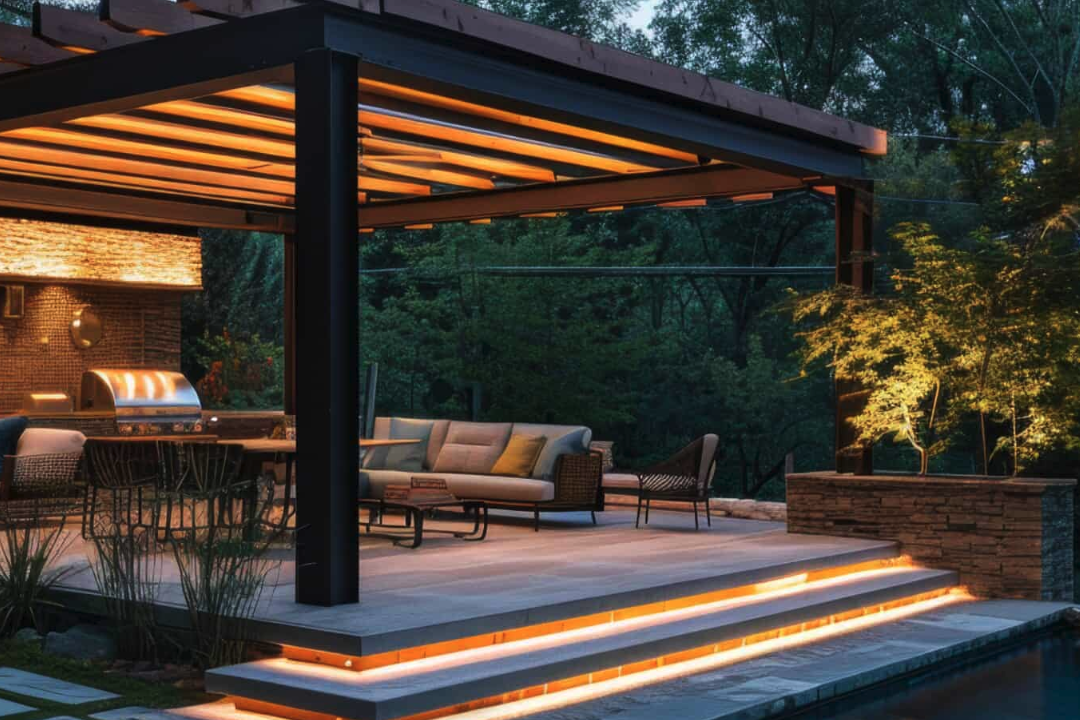
So, you’re looking to spruce up your outdoor area, and you’ve landed on the idea of a curved arm oak wood patio lamp. Good choice! The quick answer is that these lamps aren’t just about throwing a bit of light around; they’re about adding a touch of elegance and warmth, truly transforming your patio into a more inviting and functional space. They blend natural beauty with practical illumination, making your evenings outdoors much more enjoyable.
When it comes to outdoor furniture and lighting Hpslights, material choice is king. And oak? It’s a fantastic choice for a curved arm patio lamp, offering a blend of aesthetics and durability that’s hard to beat.
The Timeless Appeal of Oak
Oak wood has this incredible ability to look both classic and contemporary at the same time. Its grain patterns are distinct and beautiful, adding a natural texture that artificial materials just can’t replicate. This isn’t just about looking good today; it’s about looking good for years, even decades. It’s a material that ages gracefully, often developing a richer patina over time, which only enhances its character. Think about it: a piece of outdoor furniture that actually gets better with age. That’s rare.
Durability That Stands Up to the Elements
Let’s be realistic, your patio lamp is going to face sun, rain, wind, and maybe even a bit of snow depending on where you live. Oak is known for its strength and resilience. It’s a dense hardwood, meaning it’s naturally resistant to impacts and wear and tear.
- Natural Resistance: Oak contains natural tannins that offer a degree of resistance to insects and rot. While no wood is completely impervious without proper treatment, oak starts with a significant advantage.
- Dimensional Stability: Compared to some softer woods, oak is less prone to warping, cracking, and splitting when exposed to fluctuating temperatures and humidity. This is crucial for something that will be standing outside year-round.
- Longevity: With proper care, an oak wood patio lamp can easily last a lifetime. This isn’t a purchase you’ll need to replace every few years, which is good for your wallet and the environment.
Sustainability and Environmental Considerations
For many of us, making environmentally conscious choices is important. When sourced responsibly, oak can be a sustainable option.
- Managed Forests: Look for oak wood that comes from sustainably managed forests, often indicated by certifications like FSC (Forest Stewardship Council). This ensures that the wood is harvested in a way that protects biodiversity and supports forest ecosystems.
- Biodegradable: Unlike plastic or metal, wood is a natural, biodegradable material. At the very end of its very long life, it won’t be sitting in a landfill for centuries.
The Curved Arm Design: A Blend of Form and Function
Now let’s talk about that “curved arm.” It’s not just a stylistic flourish; it plays a significant role in both the aesthetics and practicality of the lamp.
Aesthetic Grace and Visual Interest
A straight lamp post is, well, straight. A curved arm, however, introduces a graceful line into your outdoor space. It’s an organic shape that can soften the sometimes-harsh lines of modern architecture or complement the natural curves of your garden.
- Breaking Monotony: In an outdoor area that might feature a lot of rectangular or linear elements (decking, fencing, patio slabs), a curved arm lamp provides a welcome visual break. It adds dynamic movement.
- Artistic Statement: A well-designed curved arm lamp can function almost like an outdoor sculpture during the day. It’s a piece of art that also happens to provide light.
- Enhancing Flow: The curve can subconsciously guide the eye, creating a sense of flow and movement within your outdoor design. It can draw attention to a particular seating area or a garden feature.
Practical Illumination and Targeted Lighting
Beyond looking good, the curved arm serves a very practical purpose: directing light exactly where you need it.
- Overhead Lighting: Unlike a standard upright post light that casts light in all directions or a wall-mounted sconce that lights a narrow area, a curved arm allows the light source to be positioned above a seating area, dining table, or pathway. This provides more effective overhead illumination.
- Reduced Glare: By positioning the light source higher and often slightly inward, it can help reduce direct glare into your eyes compared to eye-level lights. This makes for a more comfortable experience.
- Defining Zones: A curved arm lamp can effectively define a specific zone within your patio. Placing one over an outdoor dining table clearly marks that as the eating area, while another over a lounge chair creates a cozy reading nook.
- Adjustable Heads: Many curved arm designs incorporate an adjustable lamp head, allowing you to fine-tune the direction of the light. Want to highlight a planter? Point it there. Need more light on your book? Adjust it down.
Lighting Up Your Evenings: Functionality and Ambiance
A lamp’s primary job is to provide light, but an outdoor lamp needs to do more than just that. It needs to create the right atmosphere.
Choosing the Right Light Temperature
This is crucial for setting the mood. “Light temperature” refers to how warm or cool the light appears, measured in Kelvins (K).
- Warm White (2700K-3000K): This is generally what you want for an outdoor living space. It mimics the warm glow of an incandescent bulb or a sunset, creating a cozy, inviting, and relaxing atmosphere. Perfect for dining, conversation, and unwinding.
- Neutral White (3500K-4000K): Brighter and more energetic, often used for task lighting or areas where you need clearer visibility. Less ideal for a relaxed patio setting, but might be suitable if your patio doubles as a workspace.
- Cool White/Daylight (5000K+): Resembles natural daylight and can feel quite stark or clinical outdoors. Best avoided for ambiance.
Dimmer Compatibility for Ultimate Control
A truly versatile patio lamp should be dimmer-compatible. This allows you to adjust the light intensity to suit any occasion.
- Subtle Glow for Entertaining: Dim the lights low for intimate conversations or a romantic evening.
- Brighter for Activities: Crank them up a bit when you’re playing cards, reading, or need more visibility for cooking on the grill.
- Energy Saving: Dimming lights not only saves energy but also extends the life of your bulbs.
Smart Lighting Integration (Optional but Awesome)
For those who love modern conveniences, consider lamps that can integrate with smart home systems.
- App Control: Control your lights from your phone, even when you’re not home.
- Scheduling: Set timers for your lights to turn on and off automatically at dusk and dawn, or at specific times.
- Voice Control: Connect to devices like Amazon Echo or Google Home for hands-free control. “Hey Google, dim the patio lights to 50%.”
Energy-Efficient LED Options
Always opt for LED bulbs. They are a game-changer for outdoor lighting.
- Long Lifespan: LEDs last significantly longer than traditional bulbs, meaning less frequent bulb changes, especially helpful for outdoor fixtures.
- Lower Energy Consumption: They use a fraction of the energy, saving you money on your electricity bill and being better for the planet.
- Durable: LEDs are more robust and less prone to breaking from impacts or vibrations, which is a plus for an outdoor fixture.
Placement and Installation: Making it Work for Your Space
Where you put your curved arm oak lamp and how you install it are just as important as the lamp itself.
Strategic Placement for Maximum Impact
Think about how you use your outdoor space and where light is most needed.
- Over a Seating Area: This is a classic choice. Position the lamp so its light head is centered or slightly off-center over your outdoor sofa, chairs, or sectional. This creates a comfortable, well-lit zone for conversation.
- Next to a Dining Table: Similar to a seating area, placing the lamp over your outdoor dining table ensures everyone has enough light to see their food and each other without harsh overhead glare.
- Along a Pathway (Multiple Lamps): For longer pathways, multiple curved arm lamps can create a beautiful, illuminated route, making it safer and more inviting to walk through your garden at night. Ensure they are spaced appropriately to avoid dark spots.
- Highlighting Features: Use the lamp to draw attention to a beautiful potted plant, a water feature, or a piece of outdoor art. The curved arm can often position the light in a way that a standard spotlight cannot.
- Corner Illumination: If you have a larger patio, a lamp in a corner can provide ambient light and visually anchor that part of the space.
Installation Considerations: Wired vs. Solar
This is where the practicalities come in.
- Wired Lamps:
- Pros: Consistent, reliable light output. Can be connected to a dimmer switch. No reliance on sunlight.
- Cons: Requires electrical wiring, which might involve an electrician for new installations. Less flexible placement once installed.
- Key Point: Ensure all wiring and connections are outdoor-rated and waterproof to comply with safety codes and prevent issues. Look for IP ratings (Ingress Protection), with higher numbers indicating better protection against dust and water.
- Solar Lamps:
- Pros: Easy to install (no wiring needed). No electricity costs. Environmentally friendly. Flexible placement.
- Cons: Light output can vary depending on sunlight exposure during the day. May not be as bright or last as long as wired options, especially on cloudy days or in shaded areas. Battery life can degrade over time.
- Key Point: Position the solar panel where it will receive maximum direct sunlight for several hours each day. Consider lamps with larger, more efficient solar panels and good quality rechargeable batteries.
Base and Stability
An outdoor lamp needs to be stable, especially a taller one with a curved arm that might catch the wind.
- Weighted Bases: Many freestanding curved arm lamps come with heavy, integrated bases (often concrete or metal covered by a decorative shell). Ensure the base is substantial enough for the lamp’s height and arm extension.
- Anchoring Options: For areas prone to strong winds, consider lamps that offer options for anchoring to the patio surface. This could involve bolting the base down or using ground stakes for soft surfaces.
- Portability: Some designs might offer a more portable option, with a base that allows for easy repositioning. If you plan to move your lamp frequently, check the weight and maneuverability of the base.
Maintenance and Care: Keeping Your Oak Lamp Looking Great
Even durable oak needs a little love to stay beautiful and functional outdoors.
Regular Cleaning
This isn’t just about aesthetics; it’s about preventing build-up that can lead to deterioration.
- Dust and Dirt: Use a soft cloth or a brush to gently remove dust, pollen, and cobwebs regularly.
- Wipe Down: Periodically wipe the wood surfaces with a damp cloth (mild soap and water if needed), then dry thoroughly. Avoid harsh chemical cleaners that can strip the finish.
- Check for Debris: Clear any leaves or other debris from around the base and especially from the light fixture itself, as this can affect performance and potentially create fire hazards.
Protecting the Wood Finish
The finish is your oak’s first line of defense against the elements.
- Oil or Sealant: Depending on how your lamp is finished, you’ll need to reapply a protective oil or sealant periodically.
- Oil Finishes: These penetrate the wood, enhancing its natural look and providing water resistance. They usually need to be reapplied annually or biennially, depending on exposure. This is often an easy wipe-on, wipe-off process.
- Varnish/Polyurethane Finishes: These form a protective layer on the surface. They are very durable but if the finish cracks or chips, moisture can get underneath. You might need to sand and reapply if damage occurs.
- UV Protection: Look for outdoor-rated finishes that offer UV protection. Sunlight is a major factor in wood degradation and color fading.
- Spot Checks: Regularly inspect the wood for any signs of cracking, peeling, or fading in the finish, especially on upward-facing surfaces where water might pool or sun exposure is highest. Address these issues promptly.
Winterizing and Storage (If Applicable)
In colder climates, bringing your lamp indoors for the winter can significantly extend its life.
- Clean Before Storage: Give it a good clean and ensure it’s completely dry before storing to prevent mold or mildew growth.
- Protected Location: Store it in a shed, garage, or another dry, sheltered area.
- Covering: If bringing it indoors isn’t an option, invest in a good quality, breathable outdoor furniture cover. Ensure the cover allows for some air circulation to prevent condensation build-up.
Electrical Component Checks
For wired lamps, a quick periodic check can prevent problems.
- Wiring Inspection: Look for any frayed wires, loose connections, or damaged insulation. If you spot anything concerning, consult an electrician.
- Fixture Seals: Ensure the seals around the bulb housing and any electrical entry points are intact and not cracked, as these protect against moisture ingress.
- Bulb Replacement: When replacing bulbs, ensure the power is off and use the correct type and wattage specified by the manufacturer.
By following these simple maintenance steps, your curved arm oak wood patio lamp won’t just look great for a season or two; it will be a cherished part of your outdoor space for many years to come, consistently providing that perfect blend of natural beauty and functional illumination.