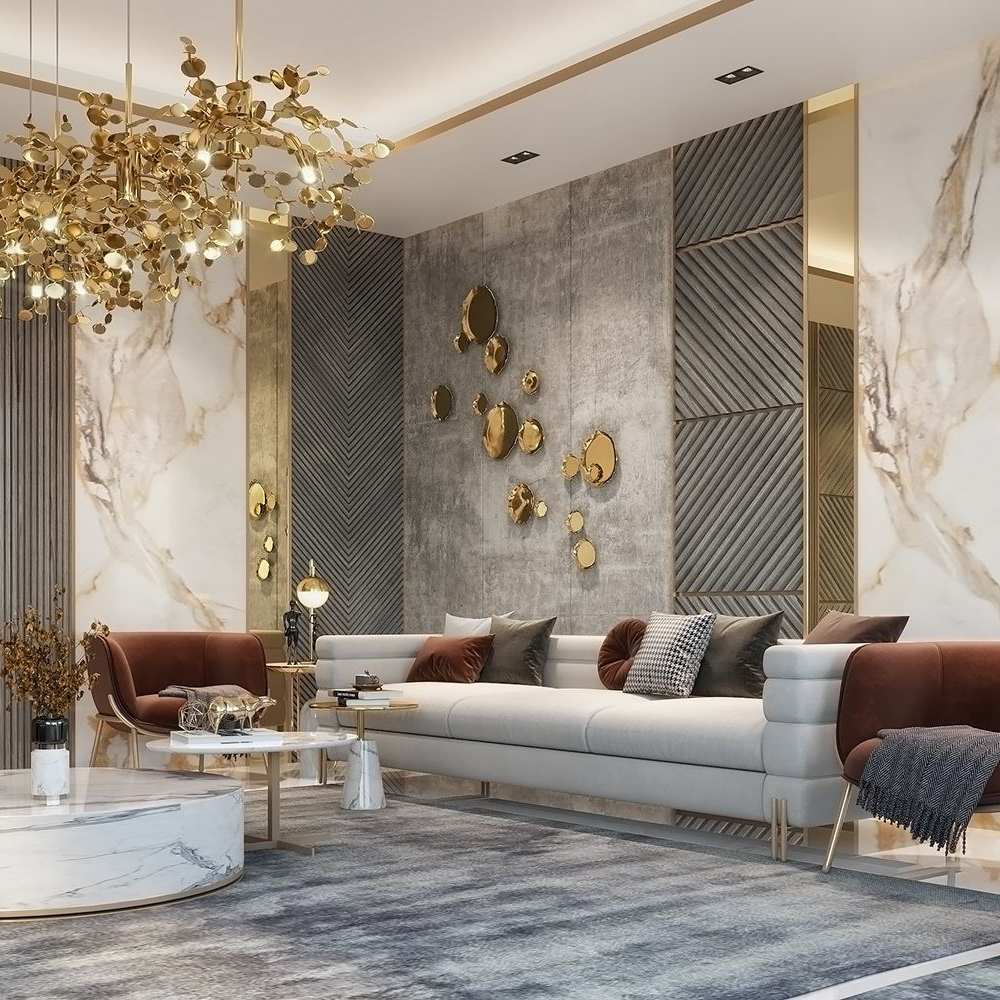

Choosing the right color temperature for wall washer lights is a bit like picking the perfect paint color – it sets the whole mood and impact of your space. Simply put, it’s about whether you want a warm, inviting glow or a crisp, modern feel, and this guide will walk you through how to nail that decision for your specific needs. It’s more than just aesthetics; it impacts perception, comfort, and even productivity.
Understanding Color Temperature: What Do the Numbers Mean?
Let’s demystify “color temperature.” It’s measured in Kelvin (K), and these numbers tell you how warm or cool a light source appears. Think of it like this: lower Kelvin numbers (around 2000K-3000K) mean warmer light, often described as yellowish or orange, similar to a traditional incandescent bulb or a sunset. As the numbers go up (3500K-5000K+), the light becomes cooler, moving towards a whiter, bluer appearance, like daylight or fluorescent office lighting.
It’s a common misconception that “warm” refers to the actual heat output of the bulb; it’s purely about the perceived color of the light. An LED wall washer at 2700K produces very little heat, but its light appears warm. Understanding this fundamental concept is crucial before diving into specific applications.
The Kelvin Scale Breakdown
To give you a clearer picture, let’s break down the common ranges you’ll encounter for wall washer lights:
- 2000K-2400K (Extra Warm White): This is a very warm, almost amber light. Think candlelight or a very dim incandescent bulb. It’s incredibly cozy and intimate but can make colors appear a bit muted.
- 2700K-3000K (Warm White): The most common “warm” option. It’s a soft, inviting yellowish-white light, similar to standard incandescent bulbs. Great for residential spaces, restaurants, and anywhere you want a comfortable, relaxing atmosphere.
- 3500K-4000K (Neutral White / Cool White): This range is a balance between warm and cool. It’s less yellow than warm white but not stark blue. It offers good clarity without feeling sterile. Often used in offices, retail, and some modern homes.
- 4500K-5000K (Cool White / Daylight White): Moving into the cooler spectrum, this light is crisp and bright, resembling natural daylight on a clear day. It enhances alertness and color accuracy. Ideal for task lighting, showrooms, and spaces where precision is key.
- 5000K-6500K+ (Daylight Blue / Pure White): This is a very cool, sometimes slightly blue-tinged light. It’s often used for outdoor applications, security lighting, or specific commercial settings where maximum brightness and alertness are paramount. Not typically recommended for comfortable indoor living spaces.
Why Kelvin Matters for Wall Washers
For wall washer lights, specifically, color temperature is paramount because these fixtures are designed to highlight vertical surfaces and create ambience. A poorly chosen color temperature can flatten a textured wall, distort the true color of artwork, or make a space feel uninviting or overly harsh.
The light washes over a significant surface area, meaning its color temperature has a broad impact on the entire visual experience of a room or facade. It can subtly influence our mood, perception of space, and even how we interact within that environment.
Considerations for Interior Wall Washing
When you’re washing an interior wall, the goal is often to create a specific mood or to highlight architectural features or artwork. The color temperature here needs to harmonize with the existing decor, the purpose of the room, and the colors on the wall itself.
Residential Living Areas
In homes, the focus is generally on comfort and relaxation.
- Living Rooms and Bedrooms: For these spaces, 2700K-3000K (Warm White) is usually the sweet spot. It creates a cozy, inviting atmosphere that encourages unwinding. If you have warm-toned decor (wood, earth tones, warm fabric colors), this temperature will complement them beautifully. Washing a textured stone fireplace or a wall with a subtle wallpaper pattern with warm light can really bring out its character without being distracting.
- Dining Rooms: Similar to living rooms, a warm glow (again, 2700K-3000K) is often preferred. It makes food look more appetizing and fosters a welcoming environment for guests.
- Kitchens: This is where things can get a bit more varied. While you might want some warm light for ambience, many people prefer a slightly brighter, more neutral light for tasks. A blend, or perhaps 3000K-3500K (Warm-to-Neutral White), can work well. If you have cool-toned cabinets or countertops, moving towards 3500K might look better.
- Bathrooms: Again, a mix might be best. For general ambience and relaxing baths, warm white is good. However, for applying makeup or shaving, a more neutral light (closer to 3500K-4000K) provides better color rendering and accuracy. Consider fixtures with adjustable CCT if you want flexibility.
Commercial and Hospitality Interiors
Here, the choice is highly dependent on the brand, the product, and the desired customer experience.
- Restaurants and Cafes: Almost universally, 2700K-3000K (Warm White) is chosen to create an intimate, sophisticated, or rustic ambience. It makes guests feel comfortable and food look appealing. Wall washers can highlight architectural details or textured walls, adding depth to the space.
- Retail Stores: This is more nuanced. For boutiques selling high-end clothing or jewelry, a crisper light (3500K-4500K Neutral to Cool White) might be chosen to accurately render colors and make products pop. However, for a cozy bookshop or a home goods store, a warmer light (2700K-3000K) might be more fitting to encourage browsing and comfort.
- Offices and Workspaces: The trend here leans towards 3500K-4000K (Neutral White). This temperature promotes alertness, reduces eye strain for long periods, and provides good visibility for tasks. It’s less fatiguing than very cool light and less relaxing than warm light, striking a productive balance.
- Art Galleries and Museums: Critical for these spaces is accurate color rendering. While some galleries might opt for a warmer tone to evoke a classical feel, generally 3500K-4500K (Neutral to Cool White) with a high Color Rendering Index (CRI) is preferred. This ensures that the artwork’s true colors are perceived correctly. Wall washers here might be used to illuminate a broad canvas or highlight a specific wall texture behind an exhibit.
Special Interior Applications
- Highlighting Artwork: When washing a wall to specifically highlight a painting or sculpture, the color temperature should complement the artwork itself. For warm-toned paintings (earth tones, reds, oranges), 2700K-3000K can enhance their richness. For cool-toned or contemporary pieces, 3500K-4000K might be more appropriate to maintain color accuracy and vibrancy. A good CRI is always essential here, regardless of the CCT.
- Accent Walls: If you have an accent wall with a unique texture, bold color, or interesting material (like wood panels, brick, or fabric), the wall washer’s CCT can either enhance or diminish its impact. Warm lights make warm colors pop and add richness to textures. Cooler lights can make cool colors (blues, greens) appear more vibrant and give a modern edge.
Selecting Color Temperature for Exterior Wall Washing
Outdoor wall washing serves different purposes than interior lighting. It’s often about security, curb appeal, architectural enhancement, or creating an inviting outdoor living space. The elements and surrounding environment play a bigger role here.
Residential Exteriors
For homes, exterior wall washing is about creating an inviting welcome and showcasing the architecture.
- Façade Lighting: Most homes, especially those with traditional architecture or warm-toned materials (brick, natural wood, stucco), look best with 2700K-3000K (Warm White). This provides a welcoming glow, enhances textures, and avoids a stark, institutional look. It mimics the warmth of interior lighting spilling out.
- Entryways and Porches: A warm light in the 2700K-3000K range is highly recommended. It feels inviting and provides enough light for safety without being overwhelming.
- Modern Homes: If your home has a very contemporary, minimalist design with cool-toned materials (concrete, steel, light grey finishes), you might consider 3500K-4000K (Neutral White). This can complement the modern aesthetic without making it feel cold or sterile, offering a crisp, clean look.
- Landscaping Integration: When wall washing a house that’s part of a larger landscape lighting scheme, ensure the CCT of the wall washers harmonizes with the pathway lights, accent lights on plants, and other outdoor fixtures. Consistency creates a cohesive and professional look.
Commercial and Public Exteriors
These applications often prioritize visibility, safety, and brand projection.
- Building Façades (General): Many commercial buildings opt for 3500K-4500K (Neutral to Cool White). This provides good visibility, a modern aesthetic, and can make a building stand out. It’s often chosen for office buildings, retail complexes, and contemporary structures.
- Historical Buildings: For historical buildings, 2700K-3000K (Warm White) is almost always the preferred choice. It respects the original architecture, enhances natural stone or brickwork, and creates a sense of grandeur and timelessness. Using cool white on such structures can often look out of place and diminish their character.
- Hotels and Resorts: The choice here is often similar to residential, leaning towards 2700K-3000K (Warm White) to create a luxurious, inviting, and relaxing atmosphere for guests.
- Parks and Public Spaces: Depending on the mood, either 3000K-4000K (Warm to Neutral White) might be used. For areas where safety and visibility are paramount, a slightly cooler light could be chosen, while areas meant for relaxation might prefer warmer tones.
- Security and Safety Lighting: For areas where the primary concern is deterring crime and ensuring safety, 4000K-5000K (Cool White to Daylight White) is often selected. The brighter, whiter light tends to be perceived as more alert and secure. However, it’s crucial to balance this with aesthetic considerations if it’s also a publicly visible area.
Environmental Factors
Outdoor conditions can influence how a certain color temperature appears.
- Night Sky and Pollution: In areas with heavy light pollution, very warm lights might get “lost” against the orange glow. Cooler lights can cut through this a bit better, but still need to be appropriately aimed to avoid contributing to sky glow. In very dark sky areas, a warm light can feel more natural and less jarring.
- Material Interaction: The material of the wall being washed is critical.
- Warm-toned materials (brick, wood, natural stone): These almost always look best with 2700K-3000K Warm White light, which enhances their natural colors and textures.
- Cool-toned materials (concrete, grey stucco, metal panels): These can look good with 3500K-4000K Neutral White light, which brings out their crispness without making them look too blue or sterile. Sometimes a slightly warmer light can soften their appearance.
- Painted Surfaces: The underlying paint color will significantly interact with the wall washer’s CCT. A cool white light on a warm yellow wall will appear greener, for instance. Always test.
- Foliage and Landscaping: If the wall being washed is heavily surrounded by green foliage, a warmer light can make the green pop more naturally than a very cool light, which might make the greens appear too stark or bluish.
The Importance of CRI and Testing
While color temperature (CCT) is about the perceived warmth or coolness of the light, Color Rendering Index (CRI) is about how accurately a light source reveals the true colors of objects compared to natural sunlight. Both are crucial, especially for wall washing.
Understanding CRI
CRI is measured on a scale from 0 to 100, with 100 being perfect color rendering (like natural daylight).
- CRI 80-89: Good for general purpose lighting. Most commercial LEDs fall into this range.
- CRI 90+: Excellent color rendering. Essential for art galleries, retail displays where color accuracy is critical, and high-end residential applications where you want to ensure fabrics, paint, and finishes look their best.
A wall washer with a low CRI (e.g., 70s or below) can make colors on your wall look dull, washed out, or even distorted, regardless of the CCT. For example, a warm white (2700K) light with a low CRI might make a red brick wall look muddy and brown, whereas the same 2700K with a high CRI would make the bricks look rich and vibrant.
The Power of Testing
You can read all the guides in the world, but there’s no substitute for seeing it with your own eyes. Light interacts uniquely with every surface, every paint color, every texture.
- Obtain Samples: If possible, get sample wall washer fixtures or bulbs in a few different color temperatures you’re considering (e.g., 2700K, 3000K, 3500K).
- Test in Situ: Install or hold them up against the actual wall you intend to wash, at night, with the other lights in the room on (or off) as they would typically be.
- Observe Interactions: Pay attention to:
- How the light makes the wall color appear. Does it enhance it, or change it in an undesirable way?
- How textures on the wall (brick, stucco, wallpaper, wood grain) are rendered. Does the light create interesting shadows and highlights, or does it flatten the surface?
- The overall mood it creates in the space. Does it feel welcoming, energizing, calming, sterile?
- How it interacts with surrounding elements like furniture, artwork, or landscaping (for exterior applications).
- Different Times of Day (for Exterior): For outdoor wall washing, test at dusk and after dark. The ambient light conditions can significantly impact the perceived CCT.
- Consult Professionals: If you’re undertaking a large project or feel overwhelmed, a lighting designer can provide invaluable expertise, helping you select not just the CCT but also the beam angle, intensity, and placement of your wall washers.
Advanced Considerations and Adjustable Solutions
Beyond the basic CCT and CRI, there are a few more advanced points to keep in mind, especially for complex projects or when seeking ultimate flexibility.
Beam Angle and Intensity
The color temperature doesn’t operate in a vacuum. The beam angle (how wide or narrow the light spreads) and intensity (brightness) of your wall washer significantly influence the final effect.
- Wide vs. Narrow Beam: A wider beam angle will wash a larger section of the wall more evenly, subtly spreading the chosen CCT. A narrower beam will create a more intense, focused stripe of light, making the CCT appear more pronounced and potentially creating more dramatic shadows if the wall has texture.
- Intensity and Perception: A very dim 5000K light might not feel as “cool” as a very bright 5000K light. Similarly, an extremely bright 2700K light can lose some of its intimacy and feel more like a stage light than a cozy glow. Balance is key. Always consider the lumen output in conjunction with the Kelvin temperature.
Tunable White (CCT Adjustable) Wall Washers
For those who want ultimate flexibility, tunable white (also known as CCT adjustable) wall washers are a fantastic solution. These fixtures allow you to change the color temperature dynamically, often ranging from warm white (e.g., 2700K) to cool white (e.g., 5000K or 6500K) using a remote control, wall switch, or smart lighting system.
- Benefits:
- Versatility: Perfect for multi-purpose rooms where the mood might need to shift from cozy (warm) to productive (neutral) throughout the day.
- Day-Parting: In commercial settings, you can adjust the lighting to match the time of day, making a space feel inviting in the evening and energetic during business hours.
- Seasonal Changes: Adapt your lighting to complement seasonal decor or natural light changes.
- Experimentation: Allows you to experiment with different CCTs without committing to a single fixed option, making the testing process much easier.
- Considerations: These fixtures are typically more expensive than fixed CCT options and require a compatible control system. The quality of the “tuning” can vary, so ensure the transitions are smooth and the CCTs offered are true to their rating.
Dim-to-Warm Technology
Another exciting innovation is “dim-to-warm” lighting. These fixtures mimic the behavior of incandescent bulbs: as you dim them, the light not only gets less bright but also becomes warmer (lower Kelvin).
- Benefits:
- Incandescent Feel: Provides a nostalgic and exceptionally cozy feel as the light dims, perfect for creating intimate atmospheres in homes, restaurants, or bars.
- Enhanced Warmth: Allows for even lower CCTs than a standard 2700K bulb when fully dimmed, creating a truly candle-like glow.
- Considerations: Like tunable white, these are generally more expensive. Not all wall washers offer this feature, so look specifically for “dim-to-warm” or “warm dim” capabilities. The dimming technology needs to be compatible with your dimmer switch for optimal performance.
Human-Centric Lighting (HCL)
For more sophisticated commercial and even high-end residential projects, Human-Centric Lighting (HCL) takes color temperature (and intensity) to the next level. HCL systems are designed to support human well-being, mood, and productivity by mimicking natural daylight cycles.
- How it Works: These systems automatically adjust the color temperature and brightness of lights throughout the day – warmer and dimmer in the mornings and evenings, brighter and cooler during midday – to align with our circadian rhythms.
- Wall Washing in HCL: In an HCL setup, wall washers would be integrated into the system, dynamically changing their CCT to follow the circadian curve, enhancing the overall effect on the occupants. This is a very advanced application but highlights the profound impact color temperature has on our bodies and minds.
Final Practical Tips
To wrap things up, here are some actionable tips to ensure you make the best decision for your wall washer light color temperature.
Prioritize the Purpose of the Space
This is your guiding star. Is it a relaxing bedroom, a vibrant retail store, a productive office, or a safe exterior path? The primary function of the area dictates the general direction of your CCT choice. Don’t let personal preference for a “warm” or “cool” light overshadow the actual needs of the space and its occupants.
Consider Existing Lighting and Finishes
Your wall washers won’t be in isolation. Look at the CCT of other lights in the room or adjacent areas. Do you want them to match, complement, or contrast? Generally, consistency or a subtle transition works best. Also, remember the interaction with wall colors, floor finishes, and furniture. A warm CCT will enhance warm tones, while a cool CCT will make cool tones pop. Avoid clashes that make your space feel disjointed.
Don’t Underestimate CRI
Even if you pick the perfect CCT, a low CRI can ruin the effect. For any application where color accuracy or vibrancy matters – which is almost always the case when highlighting a wall – aim for a CRI of 90 or higher. This ensures that the colors of your wall, artwork, or architectural features are rendered faithfully and beautifully.
Test, Test, Test (Seriously!)
As emphasized before, theoretical knowledge only gets you so far. Get samples. Put them up. Observe the effects at different times of day (for exterior) and with different ambient lighting (for interior). This step is non-negotiable for achieving truly satisfying results. If buying samples isn’t feasible, buy one fixture of your top contender and test it thoroughly before committing to a full purchase.
Think About Maintenance and Longevity
While not directly related to CCT, consider the long-term aspect. Opt for high-quality LED wall washers from reputable brands. LEDs maintain their CCT more consistently over their lifespan than older lighting technologies, but cheap LEDs can experience “color shift” over time, where their CCT drifts from the original specification. Investing in quality upfront can save you headaches and ensure your chosen hue remains perfect for years to come.
By following these practical steps and understanding the nuances of color temperature, you’ll be well-equipped to choose the ideal wall washer lights that not only illuminate your space but also truly enhance its character and functionality.