
You’re wondering about interlocking LED pendant lights and whether they’re a good fit for your space. The short answer is yes, they can be a very smart choice, offering a blend of modern aesthetics, practical functionality, and energy efficiency. They’re not just about looking cool; they can actively enhance how you use and experience your rooms.
What Exactly Are Interlocking LED Pendant Lights?
When we talk about interlocking LED pendant lights Seanoon, we’re essentially describing a type of lighting fixture where multiple individual pendant lights are designed to connect or “interlock” with each other. This isn’t usually a literal physical snap-together mechanism in most cases, though some systems might offer that. More often, the “interlocking” refers to a design philosophy and a modular approach.
These fixtures typically feature several distinct light sources, often LED modules, housed within a singular frame or suspended from a coordinated canopy. The key is that these individual components are visually cohesive and often engineered as a system, allowing them to be arranged in various configurations. Think of them like building blocks for light, enabling you to create a custom look without needing a team of electricians for a bespoke fixture.
The “Interlocking” Concept in Practice
The term “interlocking” can manifest in a few ways:
- Modular Design: The most common interpretation. You might have several identical or complementary pendant units that can be mounted together on a single mounting plate or canopy. This allows you to dictate the spacing and overall shape of the light installation.
- Connecting Cables: Some systems are designed so that the power cables from multiple pendants can be routed through a central junction box or feeding mechanism, giving the appearance of a unified, interconnected fixture.
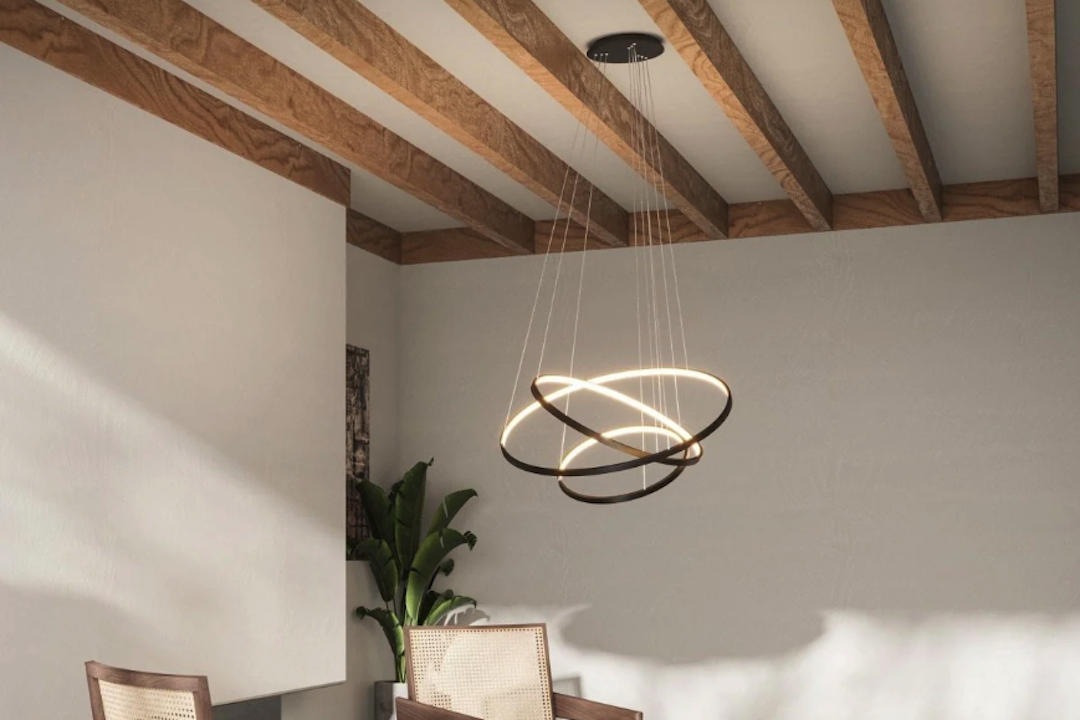
- Geometric Assemblies: You’ll often see interlocking pendants arranged in geometric patterns – linear arrays, clusters, or more complex abstract shapes. The design of the individual pendants themselves might lend itself to these arrangements, with clean lines and minimal embellishment.
LED Technology: The Brains Behind the Beauty
The “LED” part is crucial. These aren’t your grandmother’s incandescent bulbs. LEDs (Light Emitting Diodes) are tiny semiconductor devices that produce light when electricity passes through them. They offer significant advantages:
- Energy Efficiency: LEDs consume considerably less energy than traditional lighting, leading to lower electricity bills.
- Longevity: They have a much longer lifespan, meaning you’ll be replacing bulbs far less often.
- Versatility: LEDs can produce a wide range of colors and color temperatures, from warm, cozy light to bright, cool daylight.
- Directionality: LEDs are inherently directional, meaning they can be precisely aimed, reducing light waste and glare.
Design and Aesthetic Appeal: More Than Just a Pretty Fixture
Interlocking LED pendant lights are a product of modern design sensibility. They sidestep ornate detailing in favor of clean lines, geometric forms, and often, a minimalist approach. This makes them incredibly versatile, able to complement a wide array of interior styles.
Contemporary and Minimalist Spaces
If your home leans towards modern, minimalist, or Scandinavian design, interlocking pendants are a natural fit. Their clean profiles and often subtle finishes – think matte black, brushed nickel, or polished chrome – blend seamlessly. They can act as a sculptural element without overwhelming the space. The ability to customize the arrangement allows you to tailor the fixture precisely to your room’s dimensions and the existing decor.
Industrial Chic
The industrial aesthetic, with its exposed elements and raw materials, also benefits from interlocking LED pendants. Fixtures with darker finishes, exposed LED strips, or designs that mimic factory lamps can add an authentic touch. The modularity allows you to create striking linear arrangements over kitchen islands or dining tables, much like you’d find in a loft apartment or a trendy eatery.
Eclectic and Transitional Styles
Don’t think you need a strictly modern home to use these. In eclectic or transitional interiors, interlocking pendants can provide a contemporary counterpoint. A well-chosen fixture can bridge the gap between traditional furniture and modern accents, adding a sophisticated visual anchor. The key here is the finish and the specific design of the pendant itself. For instance, a minimalist linear pendant with a warm wood accent might work beautifully in a space with a mix of styles.
Installation and Customization: Making It Your Own
One of the significant practical advantages of interlocking LED pendant lighting is the level of customization available during installation. This isn’t a “one size fits all” scenario.
Understanding the Mounting System
Most interlocking systems are designed with user-friendliness in mind, though professional installation is always recommended for safety and proper wiring. The core component is often a single electrical box and a mounting plate.
- Single Canopy Mount: This is common. Multiple pendants are suspended from a single, often elongated, canopy. The wiring from each pendant is fed through this canopy, and you have flexibility in how the individual pendants are spaced along the length of the canopy.
- Individual Junction Boxes (Less Common for “Interlocking” Feel): While not strictly “interlocking” in the sense of a unified look, some systems allow you to install multiple pendants on separate junction boxes, but they are designed to be visually coordinated. This offers maximum flexibility in placement but might not achieve the seamless, built-in feel of a single canopy system.
Spacing and Configuration Options
The real magic lies in how you can arrange these lights.
- Linear Arrangements: Perfect for above kitchen islands, dining tables, or long countertops. You can adjust the spacing between each pendant to create a perfectly balanced look for the width of your surface.
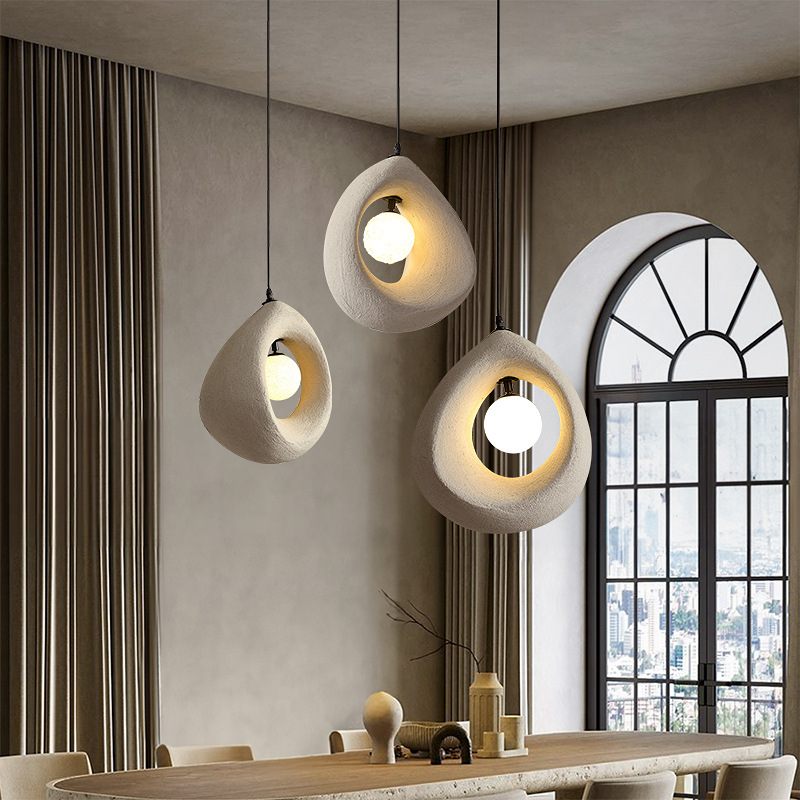
- Clustered Arrangements: For a more dynamic feel, you can group pendants together in a cluster. This is great for creating a focal point in a living room, foyer, or over a smaller seating area. The design of the individual pendants might create an organic or geometric cluster.
- Asymmetrical Designs: Don’t feel bound by straight lines. Many systems allow for slightly staggered arrangements or combinations of linear and clustered elements, letting you create a truly unique lighting sculpture.
Adjusting Hanging Height
Most interlocking pendants come with adjustable cords or cables. This is vital for ensuring the lights are at the right height for both aesthetics and functionality. You don’t want to be staring directly into a bright light source while dining, nor do you want pendants so high they don’t effectively illuminate your workspace. Typically, there’s a mechanism within the canopy or the suspension itself that allows you to shorten or lengthen the drop.
Practical Applications: Where Do They Shine?
Beyond their looks, interlocking LED pendant lights are incredibly practical and can solve specific lighting challenges in various areas of your home.
Kitchen Islands and Peninsulas
This is perhaps the most popular application. The linear nature of many interlocking systems is ideal for spanning the length of a kitchen island or peninsula. They provide crucial task lighting for food preparation, reading recipes, or eating quick meals. The ability to customize spacing ensures that the light is evenly distributed and casts a pleasant glow without dark spots.
- Task Illumination: Direct, focused light for chopping, mixing, and other kitchen activities.
- Ambient Enhancement: When dimmed, they create a warm, inviting atmosphere for casual dining or entertaining.
- Eyeline Consideration: Positioning them at an appropriate height ensures they don’t obstruct views across the kitchen or into the living space.
Dining Rooms
Whether above a formal dining table or a more casual breakfast nook, interlocking pendants can set the mood. A linear arrangement over a rectangular table reinforces its shape, while a cluster can work well over a round table or a smaller bistro set.
- Creating Ambiance: Dimmable LEDs are key here, allowing you to transition from bright meal preparation to a soft, romantic glow for after-dinner conversation.
- Defining the Space: The pendant arrangement visually anchors the dining area, especially in open-plan homes.
- Avoiding Glare: The design of the pendant shades and the positioning of the bulbs are critical to prevent glare on plates or directly into diners’ eyes.
Living Rooms and Entryways
In larger living areas or entryways, a more sculptural or clustered arrangement can create a striking focal point. They can provide ambient light and add a touch of modern elegance to the space.
- Focal Point: A well-designed interlocking pendant can become a piece of art, drawing the eye.
- Layered Lighting: They work well as part of a layered lighting scheme, complementing other ambient, task, and accent lights.
- Welcoming Glow: In an entryway, they can provide an attractive and inviting first impression.
Home Offices and Studies
For a home office, focused task lighting is essential. Linear interlocking pendants can be excellent for illuminating a desk, especially a large L-shaped one.
- Reducing Eye Strain: Proper task lighting is crucial for comfort and productivity during long work sessions.
- Customizable Coverage: The ability to adjust spacing allows you to cover the entire surface of a large desk or workspace.
Benefits Beyond Aesthetics: Energy Efficiency and Longevity
While the visual appeal is a major draw, the practical, long-term benefits of interlocking LED pendant lighting are significant.
Energy Savings
This is one of the most compelling reasons to opt for LED technology.
- Reduced Consumption: LEDs use up to 80% less energy than incandescent bulbs and significantly less than halogens. Over the lifespan of the fixture, this translates into noticeable savings on your electricity bills.
- Lower Heat Output: LEDs generate very little heat compared to incandescent bulbs. This is not only safer but can also reduce the load on your air conditioning system in warmer months, leading to further energy savings.
Reduced Maintenance and Replacement Costs
The lifespan of LED diodes is a game-changer for maintenance.
- Extended Lifespan: While traditional bulbs might last 1,000-2,000 hours, LED modules can last 25,000, 50,000, or even more hours. This means you won’t be spending time and money replacing bulbs frequently.
- Durability: LEDs are solid-state components, making them more robust and less prone to breakage than glass bulbs. This is particularly beneficial in areas with potential for vibration or accidental knocking.
- Integrated Design: Often, the LED module is integrated into the fixture, meaning you replace the entire unit rather than individual bulbs, which can be simpler (though potentially more costly upfront if the whole fixture needs replacing, hence quality is key).
Environmental Impact
The energy efficiency and longevity of LEDs also contribute to a reduced environmental footprint.
- Lower Carbon Emissions: By consuming less electricity, homes with LED lighting contribute less to greenhouse gas emissions associated with power generation.
- Reduced Waste: The infrequent need for replacement means less waste going into landfills from burnt-out bulbs.
Things to Consider Before You Buy
To make sure you get the right interlocking LED pendant light for your needs, a little planning goes a long way.
Room Size and Ceiling Height
These are fundamental. A tiny room with a low ceiling might look overwhelmed by a large, multi-pendant linear fixture. Conversely, a vast open-plan living area might be dwarfed by a small, minimalist arrangement.
- Scale: Measure your space and compare it to the dimensions of the fixture you’re considering.
- Drop Height: For standard ceilings, ensure the pendants hang at a height that allows for comfortable passage and illumination without being too close or too far. For very high ceilings, you might need specific extensions or consider a more substantial fixture.
Light Quality and Color Temperature
LEDs offer a range of light colors. Understanding “color temperature” is key to creating the desired mood.
- Warm White (2700K-3000K): This is similar to incandescent light and creates a cozy, inviting atmosphere. Great for living rooms, bedrooms, and dining areas.
- Cool White (4000K-5000K): This is brighter and more akin to natural daylight. It’s excellent for task lighting in kitchens, bathrooms, and home offices where clarity and focus are important.
- Daylight (5000K+): Very bright and crisp, mimicking natural daylight. Use with caution, as it can feel stark in living spaces.
Dimmability Features
Many interlocking LED pendants are dimmable, which is a highly desirable feature for versatility.
- Compatibility: Ensure the fixture is compatible with LED-specific dimmer switches. Not all standard dimmers work well with LEDs, and using the wrong one can cause flickering or premature failure.
- Full Range Dimming: Look for fixtures and dimmers that offer a smooth dimming range, from bright to very low levels, to truly control the ambiance of your room.
Material and Finish
The materials and finishes available can greatly impact the fixture’s look and how it integrates with your existing decor.
- Metals: Brushed nickel, polished chrome, matte black, brass, and bronze are common. Consider which best complements your hardware and other metallic accents in the room.
- Wood or Fabric Accents: Some modern designs incorporate these materials for a warmer, more natural feel.
- Glass or Acrylic: This can affect the diffusion of light and the overall style. Frosted or opal finishes tend to diffuse light more softly, while clear materials might offer a more direct, modern look.
Quality of Construction and Brand Reputation
As with any purchase, investing in quality is important.
- Durability: Look for sturdy construction. Cheaply made fixtures might feel flimsy, have poorly finished surfaces, or use lower-quality LED components that won’t last as long.
- Manufacturer’s Warranty: A good warranty is a sign of confidence from the manufacturer and provides peace of mind.
- Reviews: Reading reviews from other buyers can offer insights into performance, ease of installation, and long-term reliability.
Interlocking LED pendant lighting offers a compelling combination of style, functionality, and efficiency. By understanding the different types, considering your specific needs, and paying attention to the details, you can select a fixture that not only illuminates your space but also enhances its overall atmosphere and your daily living.